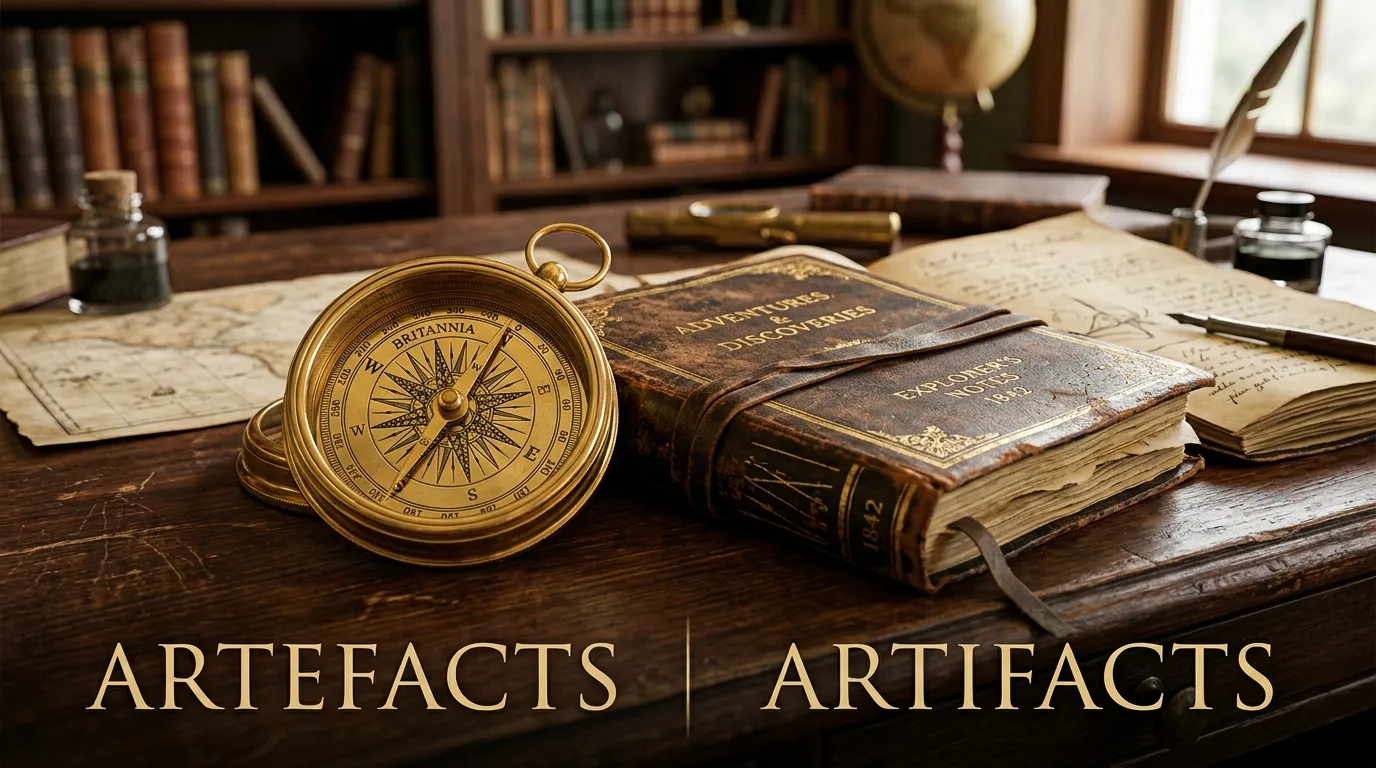
Artefacts in British English: Quick Answer
| Form | Use in this guide | Example |
| Artefacts in British English | UK-only focus: museum, archaeology and academic usage in British English | The British Museum labels the objects as artefacts in its gallery notes. |
| Standard form | General writing | The archaeology report used artefacts throughout, following UK style. |
In short, objects made or changed by humans, often with historical or cultural value. This guide focuses only on uk-only focus: museum, archaeology and academic usage in british english, so it does not repeat the general guide word for word.
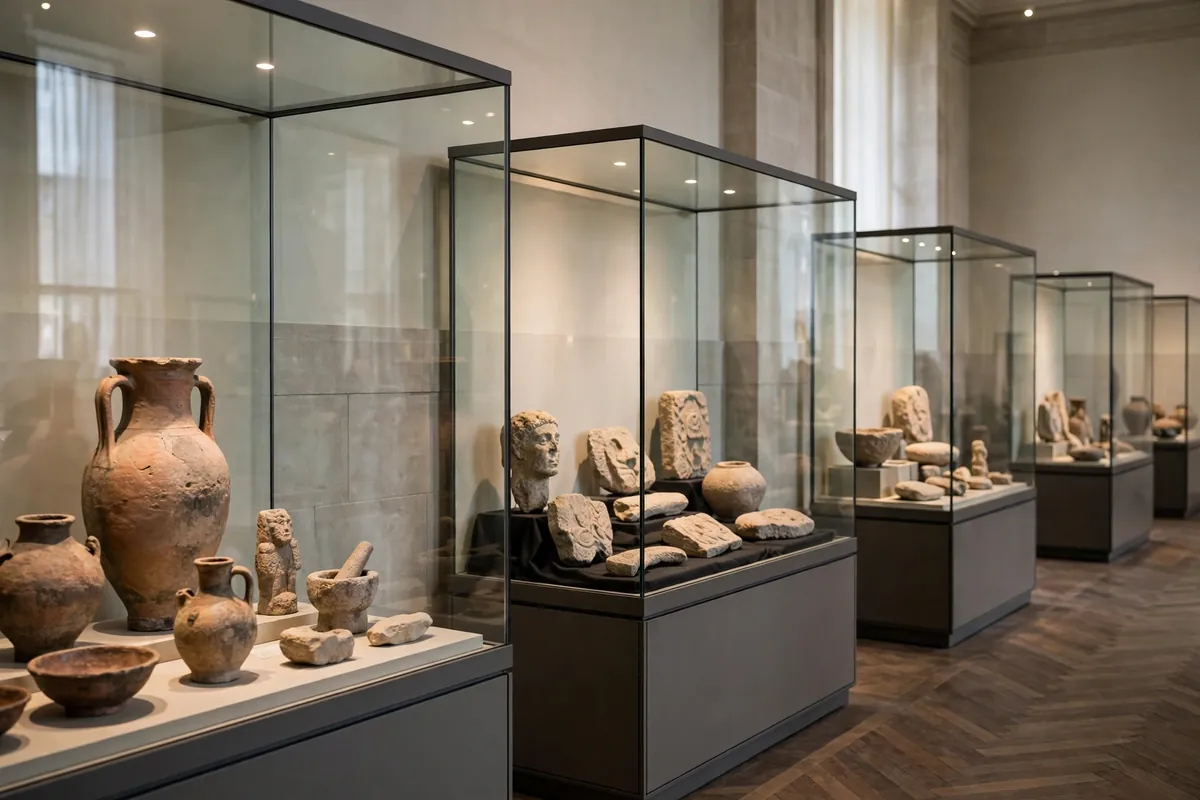
How to use this in uk-only focus: museum, archaeology and academic usage in british english
This guide narrows the question to uk-only focus: museum, archaeology and academic usage in british english. That narrower focus matters, because a general guide has to cover every context at once, while this guide can give advice that fits one situation well. Start by checking which form your audience expects, then check the examples below, then apply the same form in your own sentences.
The meaning does not change in this context: objects made or changed by humans, often with historical or cultural value. What changes is which examples are most useful, which mistakes are most likely, and which style choice is most natural for readers in this situation.
Examples in this context
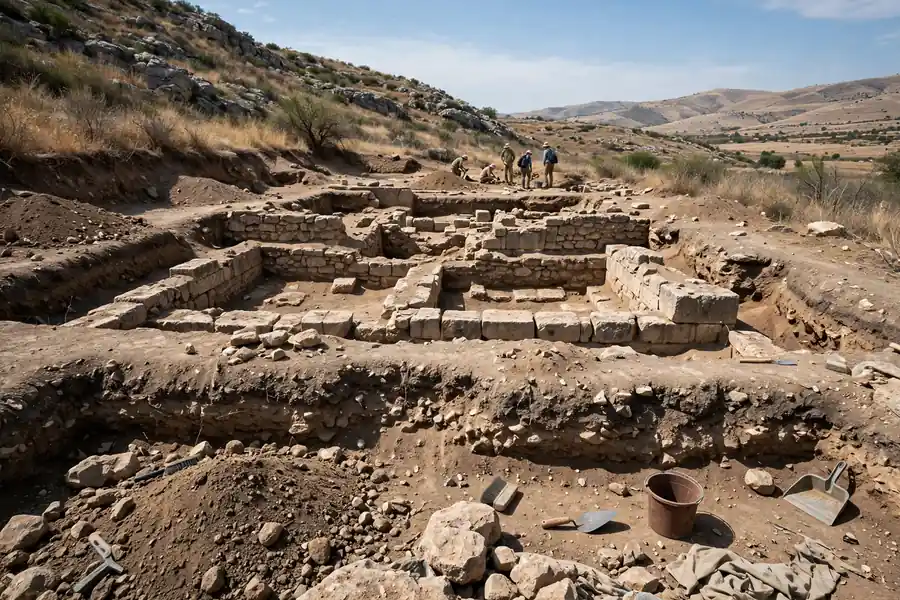
- The British Museum labels the objects as artefacts in its gallery notes.
- The archaeology report used artefacts throughout, following UK style.
- The university guide lists artefacts as the preferred British form.
Read each example aloud and check whether the form fits the sentence. If the sentence sounds formal, informal, technical or everyday, the choice should match that tone, not just the dictionary entry.
Mistakes to avoid in this context
- Using both forms in the same document without a reason.
- Copying a form from a different context, such as a US example into a UK document, without checking the style guide.
- Choosing a form because it looks familiar, rather than because it matches the audience.
- Repeating the same example in every paragraph, instead of testing the form in new sentences.
Frequently asked questions
Which form should I use here? Use the form that matches uk-only focus: museum, archaeology and academic usage in british english, and keep it consistent in the document.
Is the other form wrong? No. The other form is correct in its own context. This guide does not claim that the other form is always wrong, it only explains the choice for this angle.
What if my style guide differs? Follow your style guide first. A style guide for a school, journal or employer overrides a general rule.
Conclusion
For uk-only focus: museum, archaeology and academic usage in british english, the safest approach is to pick one form, use it consistently, and test it in real sentences from that context. That approach keeps your writing clear, and it keeps this guide distinct from the general guide, which covers the wider question.
Related in this set: Artefacts or Artifacts: Which Should You Use? (Main comprehensive guide: US vs UK spelling). Each guide in this set covers a different angle, so use the one that matches your question.

I’m an experienced article writer who creates clear, engaging, and SEO-friendly content that helps readers find the information they need. I specialize in writing well-researched articles, blog posts, guides, and informative content on a wide range of topics.
My writing focuses on simple language, strong structure, accurate information, and search intent. I aim to make every article easy to read while also helping websites improve their visibility on search engines.
I enjoy turning complex topics into useful, reader-friendly content that informs, answers questions, and keeps readers engaged. Whether you need an SEO article, blog post, educational guide, or website content, I can create content tailored to your audience and goals.