“Seep” is the correct spelling, meaning to slowly pass or leak through, while “seap” is incorrect.
If you have ever wondered if the correct word is “seep” or “seap,” you are not alone. These two spellings look similar, but they do not have the same status in standard English. The word seep is a common English verb and noun.
It describes something that slowly passes through a small opening, crack, or surface. For example, “Water began to seep through the wall.” The spelling seap is generally not a standard English word in modern everyday writing, so it is often a spelling mistake for seep.
People search for “seep or seap” because English spelling can be confusing. Similar sounds can make it hard to know which letters to use. This is especially common when writing quickly, using spell check tools, or learning English as a second language.
Read More!
Bash OR Operator: Syntax, Examples, Uses, and Mistakes
This guide explains the difference between seep and seap, their origins, correct usage, common mistakes, and examples. It also gives simple advice for US, UK, and international English users.
Seep or Seap : Quick Answer
Seep is the correct standard English spelling.
Seap is usually a misspelling of seep.
Examples:
- Correct: Water began to seep through the floor.
- Correct: Oil can seep into the soil.
- Incorrect: Water began to seap through the floor.
| Spelling | Standard English? | Meaning |
| Seep | Yes | To slowly pass through or escape |
| Seap | No, usually | Common misspelling of seep |
The word seep can describe water, gas, oil, light, or other things that move slowly through a small space.
The Origin of Seep or Seap
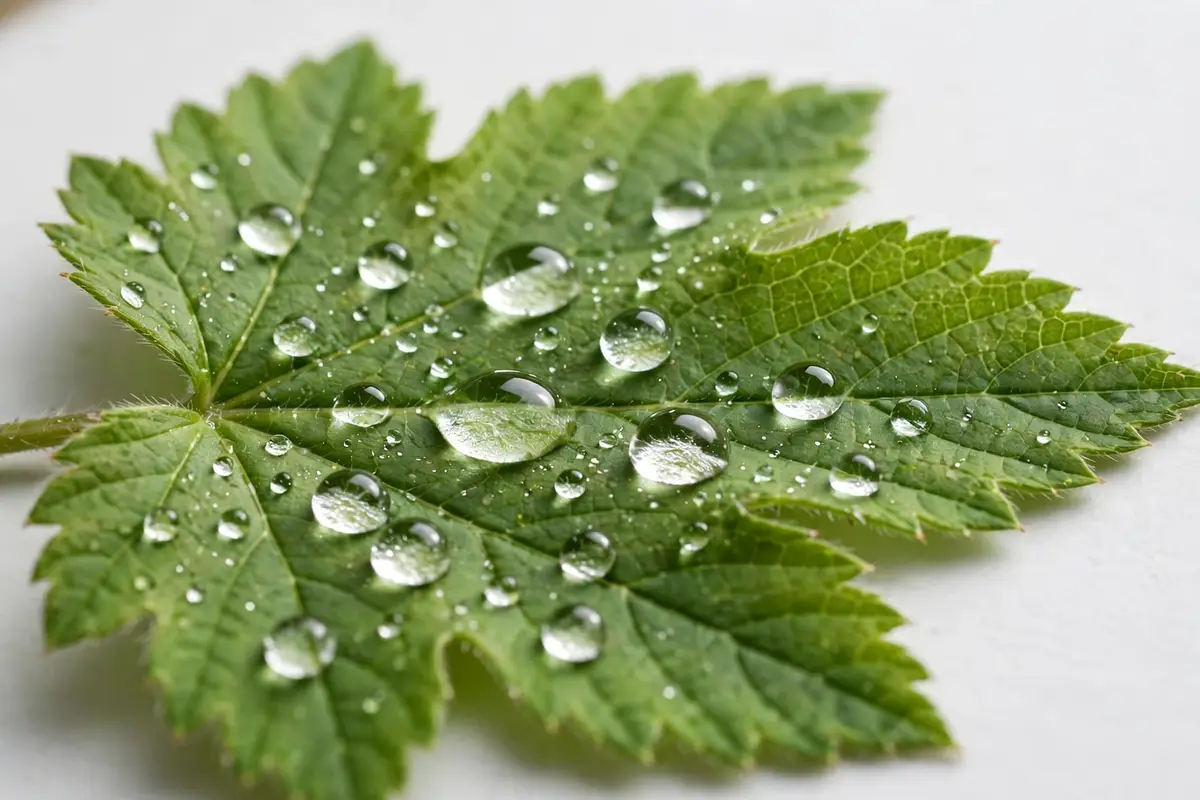
The word seep has a long history in English. It comes from older Germanic language forms connected with the idea of liquid slowly passing through something.
Over time, seep became the standard spelling in English. The word is related to the movement of liquids through cracks, soil, walls, or other materials.
The spelling seap does not have the same standard English history or modern use. People may write it because the pronunciation of seep is simple and the spelling can be guessed incorrectly.
English has many words where pronunciation does not make the spelling obvious. This can lead to errors such as writing seap instead of seep.
Today, seep is the accepted spelling in standard English.
British English vs American English Spelling
There is no major British versus American spelling difference for seep.
Both British English and American English use:
- seep
- seeping
- seeped
- seeps
The word keeps the same spelling in both varieties.
| Word | British English | American English |
| Seep | seep | seep |
| Seeping | seeping | seeping |
| Seeped | seeped | seeped |
| Seeps | seeps | seeps |
| Seap | Not standard | Not standard |
For example:
- British English: Rainwater began to seep through the roof.
- American English: Rainwater began to seep through the roof.
The meaning and spelling remain the same.
Which Spelling Should You Use?
Use seep in almost all standard English writing.
For US English
Use seep in schoolwork, websites, emails, reports, and professional writing.

For UK and Commonwealth English
Use seep as well. British English does not normally change this spelling.
For Global English
If you are writing for an international audience, seep is the clear choice.
If you see seap in your writing, check the sentence carefully. In most cases, it should be changed to seep.
Common Mistakes with Seep or Seap
The most common mistake is replacing ee with ea.
Mistake 1: Seap
Incorrect: Water started to seap through the wall.
Correct: Water started to seep through the wall.
Mistake 2: Seaping
Incorrect: Water is seaping into the basement.
Correct: Water is seeping into the basement.
Mistake 3: Seaped
Incorrect: Oil seaped into the ground.
Correct: Oil seeped into the ground.
Mistake 4: Using seep when a faster movement is meant
Seep means to move or spread slowly.
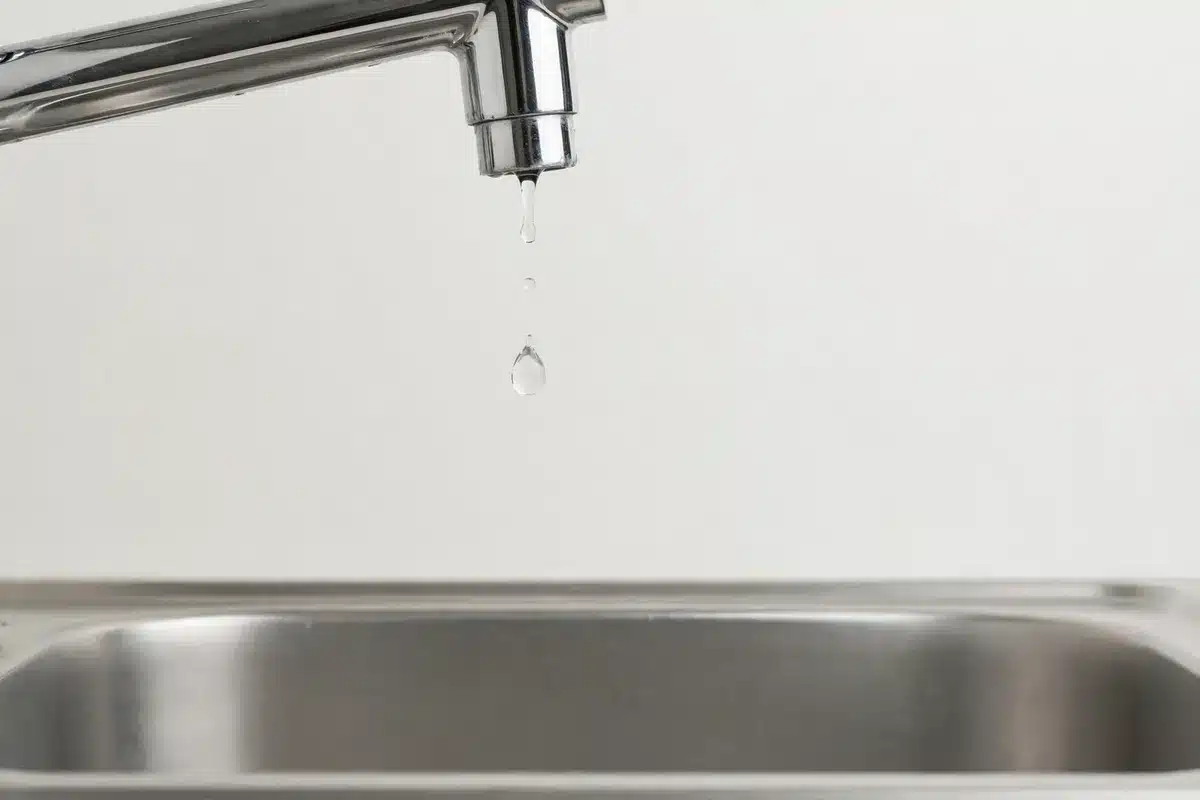
For example:
- Water seeped through the soil.
- Smoke seeped into the room.
If something moves quickly, another verb may be more suitable.
Seep or Seap in Everyday Examples
In Emails
“Please check the wall because water appears to be seeping into the office.”
In News
“Floodwater began to seep into nearby homes.”
On Social Media
“Rainwater is seeping through my window again.”
In Formal Writing
“Moisture may seep through damaged sections of the concrete.”
In Science
“Water can seep through small spaces between soil particles.”
In Everyday Speech
“I noticed water seeping under the door.”
These examples show why seep is the correct spelling in normal English.
Seep or Seap : Google Trends & Usage Data
Search interest can vary by country and context. People may search “seep or seap” when checking spelling, especially while writing or learning English.

The standard word seep has a much broader use because it appears in everyday, scientific, environmental, and professional writing.
The spelling seap may appear in searches because people are checking if it is correct. Search activity for a misspelling does not mean that the misspelling is accepted English.
When checking spelling, focus on dictionaries and established English usage rather than search volume alone.
Seep vs Seap: Comparison Table
| Feature | Seep | Seap |
| Standard English spelling | Yes | No, usually |
| Common word | Yes | No |
| Used as a verb | Yes | No |
| Used as a noun | Yes | No |
| Meaning | Slowly pass or escape | Usually a misspelling |
| US English | Correct | Incorrect |
| British English | Correct | Incorrect |
| Professional writing | Recommended | Avoid |
FAQs
1. Is seep or seap correct?
Seep is the correct standard English spelling. Seap is usually a spelling mistake.
2. What does seep mean?
Seep means to slowly pass through or escape from a small opening or material.
3. Is seap a word?
Seap is not normally used as a standard English word. It is usually an incorrect spelling of seep.
4. Is seep the same in British and American English?
Yes. Seep has the same spelling in both British and American English.
5. What is the past tense of seep?
The past tense is seeped.
Example: “Water seeped through the wall.”
6. What is the present participle of seep?
The present participle is seeping.
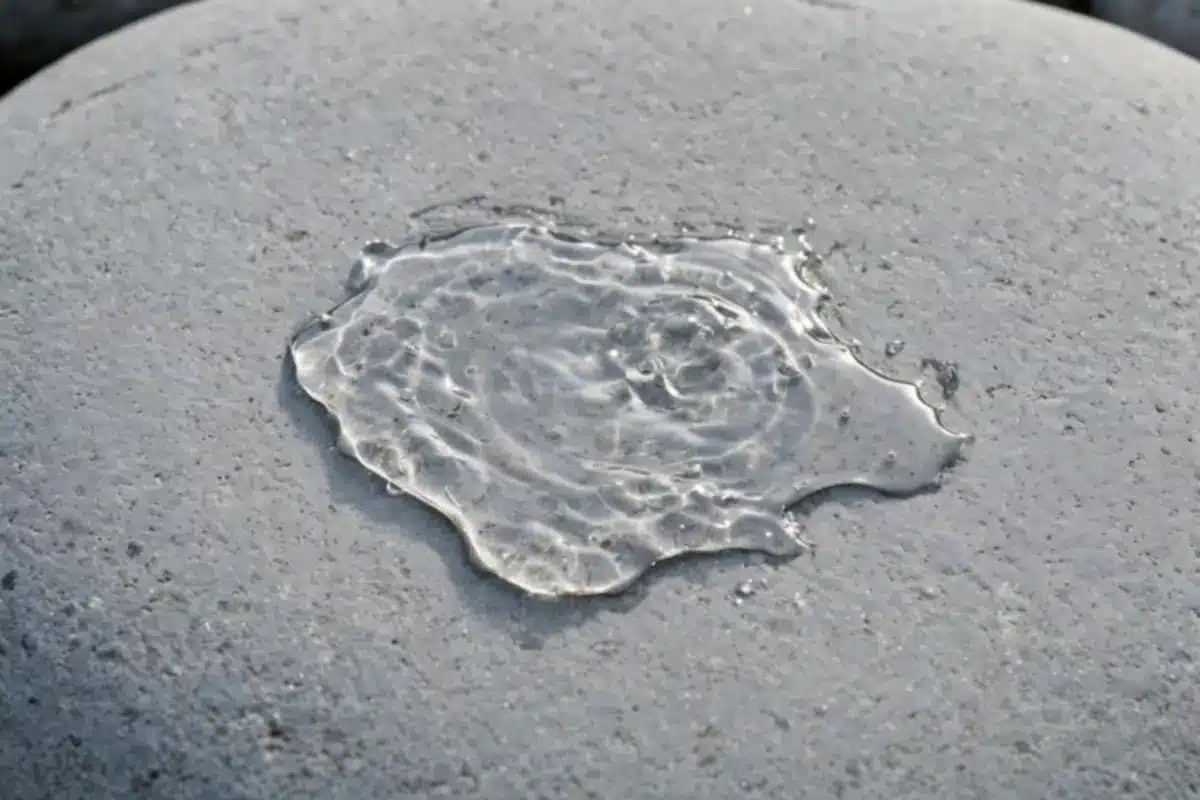
Example: “Water is seeping into the basement.”
7. How can I remember the correct spelling?
Remember seep with ee. Think of the common word see, which also contains ee.
Conclusion
When choosing between seep or seap, the correct spelling is seep. It is the standard English word used when something slowly passes through or escapes from a material, opening, or surface. For example, water can seep through a wall, oil can seep into soil, and smoke can seep into a room.
The spelling seap is generally a misspelling and should be avoided in professional, academic, and everyday English. Unlike some English words, seep does not change between British and American English. Both varieties use the same spelling.
If you are writing an email, article, report, school assignment, or social media post, choose seep. Remember its common forms: seep, seeps, seeped, and seeping. This simple spelling rule can help you avoid a common English mistake and make your writing clearer and more professional.
Discover More Articles!
Bash OR Operator: Syntax, Examples, Uses, and Mistakes
1099 or W9: What Is the Difference and Which One Do You Need?
Guaranty or Guarantee: What Is the Difference?
Related articles: Can or May: Meaning, Rules, and Correct Usage, Cite or Site? Difference Explained With Examples, Emphasize or Emphasise: Which Spelling Is Correct?.
See the dictionary definitions for seep and seap.

Daniel R. Foster is an experienced English language writer and editor who specializes in explaining commonly confused words and grammar nuances. With a strong passion for clarity in communication, he creates easy-to-understand comparisons that help learners, students, and professionals use English more confidently. His articles focus on accuracy, real-world examples, and practical usage.