Have you ever wondered whether the correct spelling is “honey” or “hunny”? You may have seen both words online, in messages, social media posts, or casual conversations. Because they look and sound similar, many people are unsure which one they should use.
The word honey is a common English word. It can mean the sweet substance made by bees, or it can be used as a friendly or loving name for someone. Hunny, however, is not the standard spelling of the word. It is usually an informal or playful spelling used in text messages, social media, usernames, or fictional dialogue.
People often search for “honey or hunny” because they want to know which spelling is correct. The answer depends on whether you want standard English or a casual, playful style.
In this guide, we will explain the difference between honey and hunny, their meanings, correct usage, common mistakes, examples, and when you should use each form.
Honey or Hunny – Quick Answer
The correct standard English spelling is honey.
Honey can have several meanings:
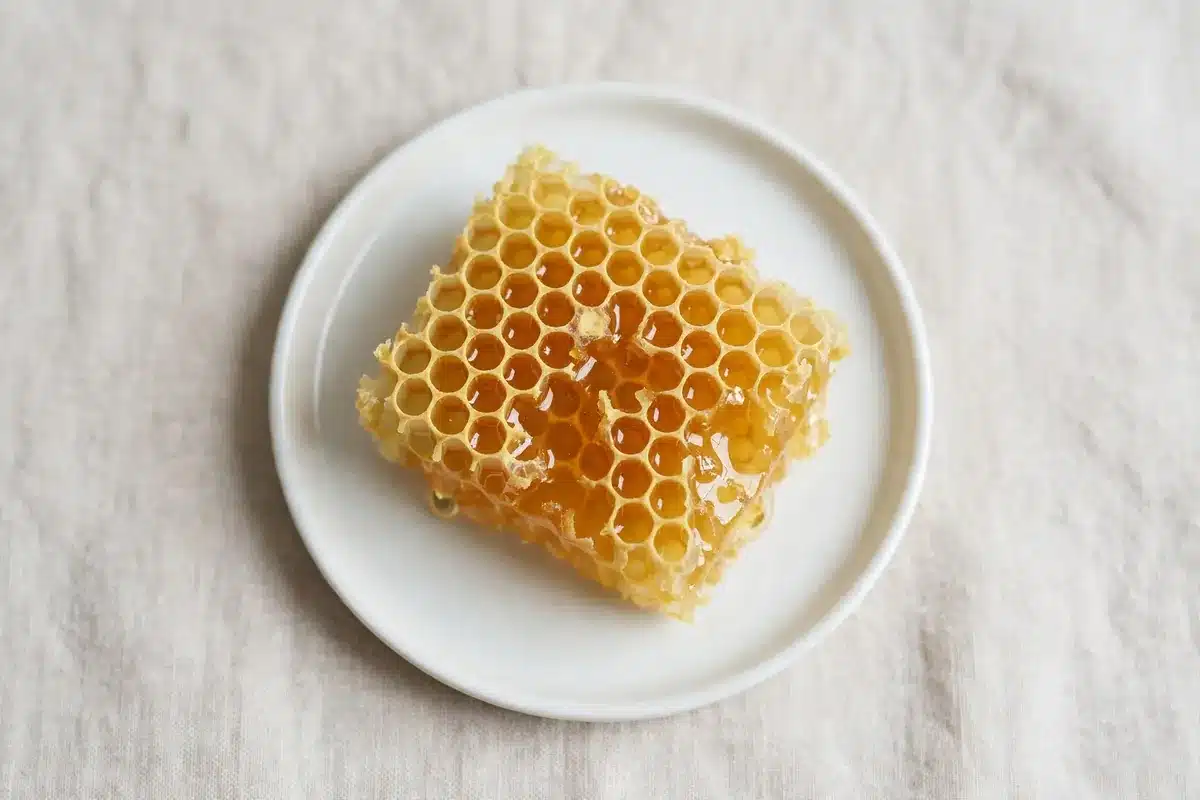
- A sweet food made by bees.
- A term of affection for a person.
- A person or thing that is especially good or pleasant.
Examples:
Bees make honey.
Thank you, honey.
Hunny is generally an informal or playful spelling of honey. It is common in casual messages, social media, usernames, and fictional writing.
Example:
Hey hunny, how are you?
For school, work, professional writing, articles, and formal communication, honey is the correct choice.
The Origin of Honey or Hunny
The word honey is very old. It comes from Old English hunig, which was used for the sweet substance produced by bees. Similar words can be found in other ancient Germanic languages.
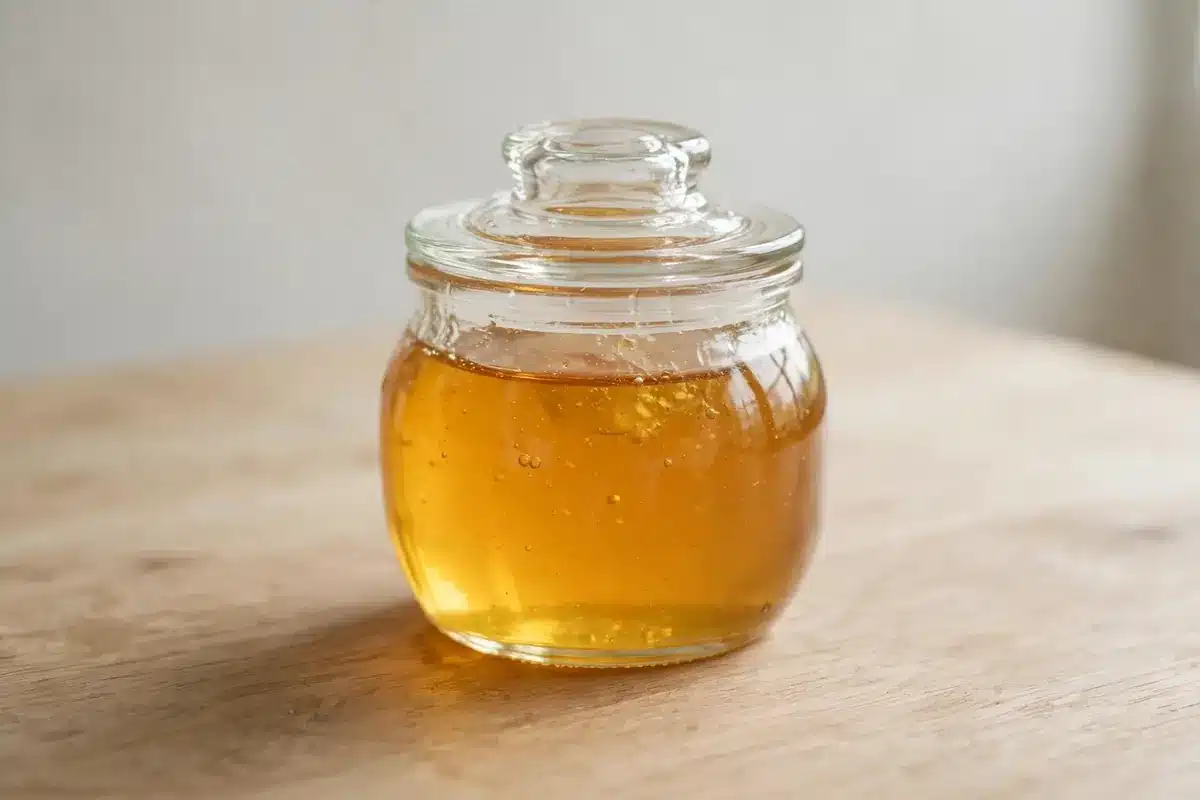
Over time, the spelling developed into the modern English word honey.
The word also became a term of affection. People began using honey as a warm and loving way to address another person.
For example:
Honey, can you help me?
Today, honey can be used both literally and affectionately.
The spelling hunny is different. It is generally a nonstandard, playful, or phonetic variation of honey. It became popular in informal communication because people often change spelling online to make messages sound cute, friendly, funny, or personal.
Therefore, hunny is not normally a separate standard English word meaning the same thing as honey. In most casual situations, it is simply a creative spelling.
British English vs American English Spelling
There is no major British-versus-American spelling difference between honey and hunny.
Both British and American English use honey as the standard spelling.
| Word | British English | American English | Standard? |
|---|---|---|---|
| Honey | Honey | Honey | Yes |
| Hunny | Hunny | Hunny | No, usually informal |
For example, both British and American writers would say:
I put honey in my tea.
They would not normally use hunny in formal writing.
The spelling hunny may appear in casual communication, but it should not be treated as the British or American version of honey.
Which Spelling Should You Use?
Choosing between honey and hunny is easy when you consider your audience.
For Formal Writing
Use honey.
Examples include:
- School assignments
- Blog articles
- Business emails
- News articles
- Professional documents
- Academic writing
Example:
Honey is often used as a natural sweetener.
For Casual Messages
You can use hunny if you intentionally want a playful or cute style.
Example:
Good morning, hunny! ❤️
However, honey is also completely natural in casual messages.
For Social Media
Both may appear, depending on the style.
For example:
Morning, honey! ☀️
or:
Hey hunny! 💕
The second version feels more informal and playful.
Common Mistakes with Honey or Hunny
Mistake 1: Using “hunny” in formal writing
Incorrect for standard writing:
Honey bees produce hunny.
Correct:
Honey bees produce honey.
Mistake 2: Thinking “hunny” is another standard spelling
Hunny is not normally considered a standard alternative spelling of honey.
Use honey when you want correct standard English.
Mistake 3: Using “honey” when copying a playful style
If you are writing a character’s dialogue or a casual social media post, hunny may be used intentionally.
Example:
“Come here, hunny!”
This can give the sentence a playful or informal feeling.
Mistake 4: Confusing honey with a name
Honey can be a term of affection, but it can also be a person’s name or nickname.
The context tells you which meaning is intended.
Honey or Hunny in Everyday Examples
In Emails
Professional:
Dear Sarah, thank you for sending the report.
Using honey in a professional email may sound too personal unless you already have that kind of relationship.
In Text Messages
Good night, honey. ❤️
Or, in a playful style:
Good night, hunny! ❤️
Both can work in casual communication, but hunny is deliberately informal.
On Social Media
This honey is perfect for tea.
Here, honey means the sweet food made by bees.
Another example:
Love you, honey! ❤️
Here, honey is a term of affection.
In Formal Writing
Honey is commonly used as a sweetener in food and drinks.
In this type of writing, honey is the correct standard spelling.
Honey or Hunny – Comparison Table
| Feature | Honey | Hunny |
|---|---|---|
| Standard English | Yes | No |
| Correct spelling | Yes | Usually no |
| Food made by bees | Yes | No |
| Term of affection | Yes | Informal version |
| Formal writing | Yes | Avoid |
| Text messages | Yes | Sometimes |
| Social media | Yes | Sometimes |
| Playful writing | Yes | Yes |
| British English | Honey | Informal |
| American English | Honey | Informal |
FAQs About Honey or Hunny
1. Is honey or hunny correct?
Honey is the correct standard English spelling. Hunny is usually an informal or playful spelling.
2. Is “hunny” a real word?
It can be found in informal English, especially online, but it is not the standard spelling of honey.
3. Can I call someone “honey”?
Yes. Honey is commonly used as a term of affection.
For example:
How are you, honey?
4. Is “hunny” rude?
Not necessarily. It is usually playful or affectionate. However, the meaning depends on the relationship and context.
5. Should I use “hunny” in an email?
For a professional email, it is better to use honey if the word is appropriate at all. In most professional situations, using someone’s name is more suitable.
6. Is honey spelled differently in British English?
No. Honey is spelled the same in British and American English.
7. Which spelling is better for SEO?
If you are writing standard English content, use honey. You can mention hunny in the article because people may search for the phrase “honey or hunny.”
Conclusion
The difference between honey and hunny is simple. Honey is the correct standard English spelling. It can refer to the sweet substance made by bees, or it can be used as a friendly or affectionate name for someone.
Hunny is generally an informal and playful spelling. It may appear in text messages, social media posts, usernames, songs, fictional dialogue, or other casual writing. It can make a message feel cute or personal, but it should not normally be used in formal English.
If you are writing a school assignment, blog article, business email, professional document, or other formal content, choose honey.
If you are chatting with a friend or creating a playful social media message, hunny can be used intentionally as a casual spelling.
The easiest rule to remember is: Use “honey” for correct standard English, and use “hunny” only when you want an informal or playful style
Related articles: Sank or Sunk: Easy Grammar Rules With Examples, Fiend or Fien: Which Spelling Is Correct?, Employees or Employee’s in Workplace Writing.
See the dictionary definitions for honey and hunny.

Miles Thornton is a seasoned author and content specialist with a knack for simplifying complex topics. Passionate about clear, engaging writing, creates articles that inform and inspire readers. With years of experience in digital publishing, Miles combines professionalism with creativity, delivering insightful content for diverse audiences