If you have ever wondered if to write “lye” or “lie,” you are not alone. These two words sound exactly the same, but they have completely different meanings. Choosing the wrong spelling can change the meaning of a sentence or make your writing look incorrect.
The confusion happens because lye and lie are homophones. Both are pronounced like “lye,” but their meanings are very different. Lie is a common English word used for resting in a position or telling something untrue. Lye, on the other hand, is a strong alkaline substance used in products such as soap and in some industrial processes. Merriam Webster defines lye as a strong alkaline solution or caustic substance.
This guide explains lye or lie, their meanings, origins, spelling, common mistakes, and everyday uses. You will also learn which word to use in emails, social media, news writing, and formal English.
Lye or Lie : Quick Answer
Lie is the correct word when you mean to rest, be in a certain position, or tell something untrue.
Lye is a chemical substance, usually a strong alkaline solution.
| Word | Meaning | Example |
| lie | To rest or be in a position | I want to lie down. |
| lie | To say something untrue | He told a lie. |
| lye | A strong alkaline chemical | The soap contains lye. |
The two words are pronounced the same, but they are spelled differently and have different meanings. Merriam Webster lists lie as a homophone of lye.
Easy way to remember
Think:
Lie = person or position
Lye = chemical
For example:
- I need to lie down.
- He told a lie.
- Lye is used to make some soaps.
The Origin of Lye or Lie
The words lye and lie have different histories even though they sound alike today.
The word lye comes from Middle English forms such as liȝe, lie, and leye. These forms go back to Old English words connected with washing. Merriam Webster records the first known use of lye before the 12th century.
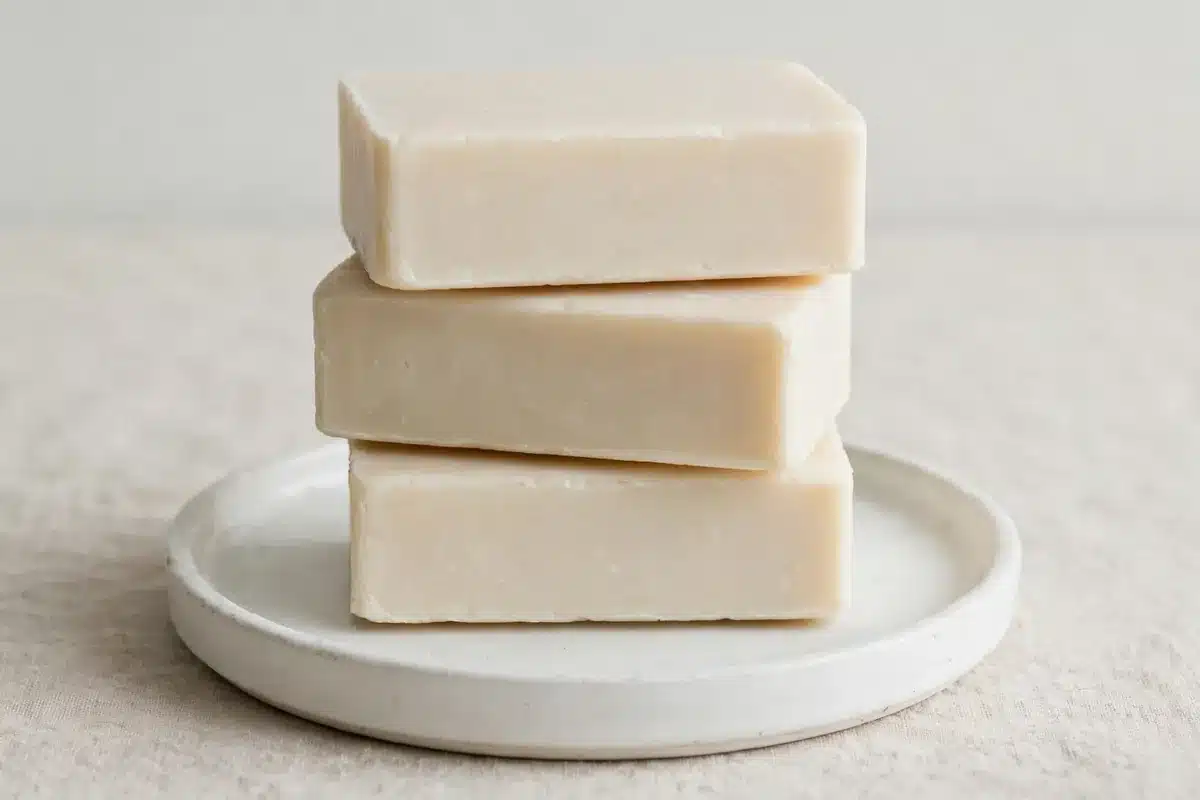
The chemical meaning developed from the use of alkaline substances in washing and cleaning. Historically, lye could be produced from wood ashes. Today, the word can refer more broadly to strong alkaline substances such as sodium hydroxide or potassium hydroxide.
Lie has a separate history and has several meanings. As a verb, it can describe being in a resting or horizontal position. It can also mean telling something that is not true.
The spelling difference helps readers distinguish these meanings even though the words have the same pronunciation.
British English vs American English Spelling
There is no major British versus American spelling difference between lye and lie.
Both British English and American English normally use:
- lie for resting or being in a position
- lie for an untrue statement
- lye for the chemical substance
| Meaning | British English | American English |
| Rest in a position | lie | lie |
| An untrue statement | lie | lie |
| Strong alkaline chemical | lye | lye |
| Past tense of “lie” | lay | lay |
| Past participle of “lie” | lain | lain |
So, unlike words such as colour/color or centre/center, lye and lie do not normally change spelling between British and American English.
Examples
British English:
- I will lie down for a while.
- The story was a lie.
- The soap was made with lye.
American English:
- I will lie down for a while.
- The story was a lie.
- The soap was made with lye.
The spelling remains the same.
Which Spelling Should You Use?
Your choice depends on what you mean, not on if you are writing British or American English.
Use “lie” when talking about resting
- I want to lie on the bed.
- The dog likes to lie in the sun.
- Please lie down.
Use “lie” when talking about an untrue statement
- That is a lie.
- He did not want to lie to his parents.
- She admitted that she had told a lie.
Use “lye” for the chemical
- Lye is used in some soap making processes.
- The recipe requires careful handling of lye.
- Strong lye can be dangerous to the skin.
For global English, the safest approach is simple: choose the word according to its meaning.
Common Mistakes with Lye or Lie
Because lye and lie sound identical, spelling mistakes are common.
Mistake 1: Using “lye” for resting
Incorrect:
I want to lye down.
Correct:
I want to lie down.
Mistake 2: Using “lye” for an untrue statement
Incorrect:
He told a lye.
Correct:
He told a lie.
Mistake 3: Using “lie” for the chemical
Incorrect:
The soap contains lie.
Correct:
The soap contains lye.
Mistake 4: Confusing “lie” and “lay”
There is another common grammar problem involving these words.
- I lie on the bed every afternoon.
- Yesterday, I lay on the bed.
- I lay the book on the table.
- Yesterday, I laid the book on the table.
Remember that lie and lay are different verbs with different forms.
Lye or Lie in Everyday Examples
Knowing the meaning is easier when you see the words in real sentences.
In Emails
Lie:
I need to lie down because I am feeling tired.
Lye:
Please confirm if the product contains lye.

In News
Lie:
The politician denied that he had told a lie.
Lye:
The report explained how lye is used in traditional soap production.
On Social Media
Lie:
Don’t believe everything you read online. Some posts are a lie.
Lye:
Homemade soap can involve lye, so proper safety precautions are important.
In Formal Writing
Lie:
The witness claimed that the statement was a lie.
Lye:
Lye is a strong alkaline substance that requires careful handling.
In Everyday Conversation
- “I need to lie down.”
- “That is a lie.”
- “The soap making process uses lye.”
These examples show why context is important.
Lye or Lie : Google Trends & Usage Data
Search interest for lie is much broader than interest for lye because lie is an everyday English word with multiple meanings. It can refer to resting, an untrue statement, and several grammatical forms.
Lye has a much narrower meaning. Searches for it are usually connected with topics such as:
- Soap making
- Chemistry
- Cleaning
- Food processing
- Industrial uses
- Safety
Merriam Webster’s current dictionary data also shows that lye remains an active English word, with modern examples involving soap, food processing, and other uses.
Google Trends should be treated as a measure of relative search interest, not as a direct count of how many times a word is used. Search interest can also change based on news, education, recipes, and regional topics.
In general, lie has much wider everyday usage, while lye is a specialized word.
Lye and Lie Comparison Table
| Feature | Lie | Lye |
| Pronunciation | /laɪ/ | /laɪ/ |
| Part of speech | Verb and noun | Mainly noun |
| Main meaning | Rest, be positioned, or tell something untrue | Strong alkaline substance |
| Everyday usage | Very common | More specialized |
| Used for soap | No | Yes |
| Used for “rest” | Yes | No |
| Used for “untrue statement” | Yes | No |
| British spelling | lie | lye |
| American spelling | lie | lye |
| Homophone | lye | lie |
FAQs About Lye or Lie
1. Is it “lie down” or “lye down”?
The correct phrase is “lie down.”
Example:
I want to lie down for a few minutes.
2. Is lye a real English word?
Yes. Lye is a real English word for a strong alkaline substance. It has been used in English for many centuries.
3. Are lye and lie pronounced the same?
Yes. Lye and lie are homophones. They have the same pronunciation but different spellings and meanings.
4. What does lye mean?
Lye means a strong alkaline substance, such as a solution containing sodium hydroxide or potassium hydroxide. It is commonly associated with soap making and other chemical processes.
5. What does lie mean?
Lie can mean to rest or remain in a particular position. It can also mean to make an untrue statement.

Examples:
- I will lie on the sofa.
- He did not lie to me.
6. Is “lye” the same as “lie”?
No. They sound the same, but they have different meanings.
Lie = rest or an untrue statement
Lye = strong alkaline chemical
7. Does British English use “lye” differently?
No. British English and American English generally spell the chemical lye and the other word lie. The difference is meaning, not regional spelling.
Conclusion
Understanding lye or lie is simple once you remember their meanings. Lie is the word you need when you are talking about resting, being in a position, or telling something that is not true. Lye is a completely different word that refers to a strong alkaline substance.
The two words are easy to confuse because they sound exactly the same. However, their spelling gives readers an important clue about their meaning. For example, “I want to lie down” is correct, while “I want to lye down” is incorrect. On the other hand, “The soap contains lye” is correct because the sentence refers to a chemical.
There is also no important British versus American spelling difference here. Both varieties normally use lie and lye in the same way.
The easiest memory trick is “lie = position or untrue statement, lye = chemical.” Once you connect each spelling with its meaning, this common spelling confusion becomes much easier to avoid.
Related articles: Sympathize or Empathize: What’s the Difference?, Lose or Loss: Which Word Is Correct and How to Use It? 2026, Sirloin vs Ribeye: Buyer and Cooking Comparison.
See the dictionary definitions for lye and lie.