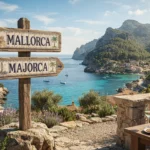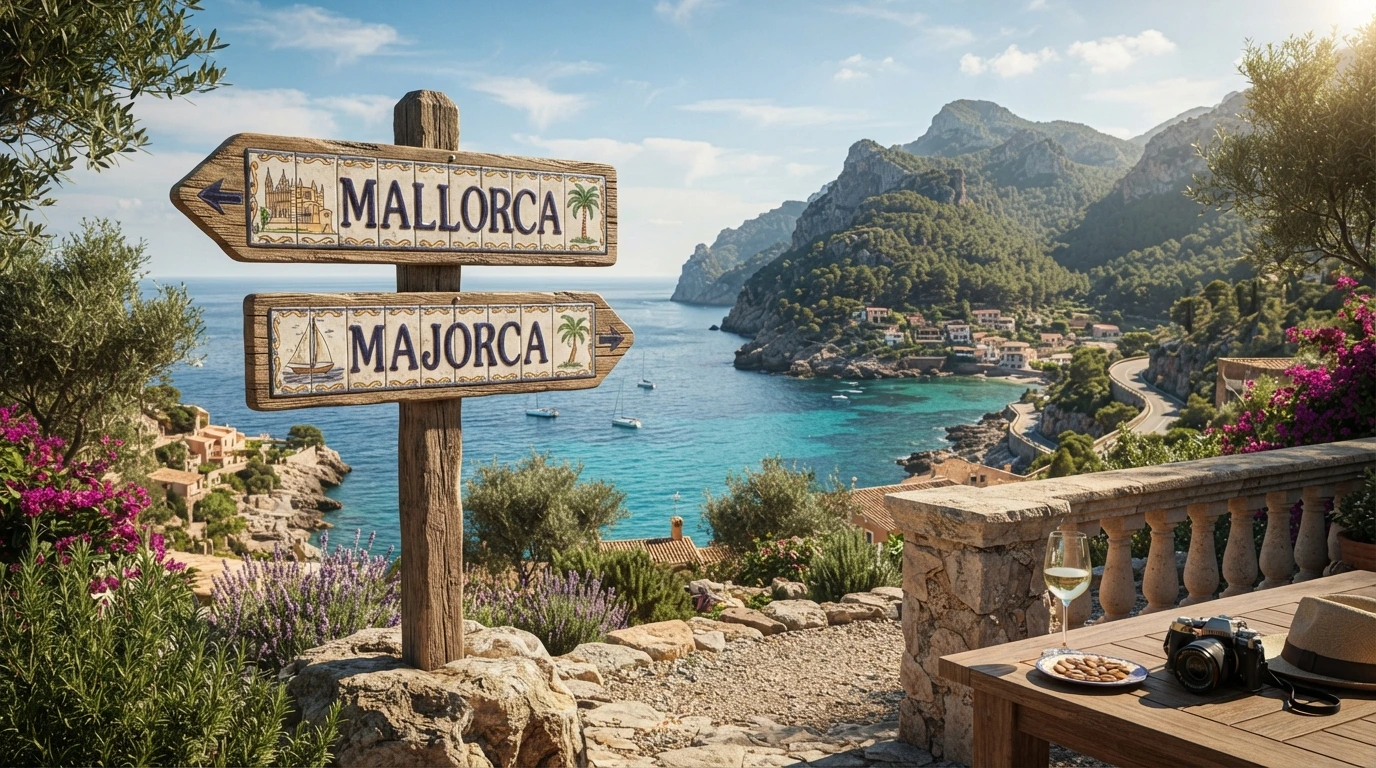
Mallorca and Majorca refer to the exact same beautiful island in Spain’s Balearic Islands. Mallorca is the official, modern spelling used locally and worldwide. Majorca is an older English version still seen in some UK contexts.
I still remember my first trip to this sunny Mediterranean gem years ago. I typed “Majorca flights” into a search bar because that’s what I’d always heard British friends say. When I landed, every sign, menu, and local conversation used Mallorca. I felt a bit silly, like a tourist who missed the memo.
That mix-up happens to thousands of people every week. You want to plan a dream vacation, book a hotel, or just sound informed, but the two spellings create confusion. This guide clears it up completely. You’ll learn the real story behind the names, when to use each, and how to avoid looking out of place. By the end, you’ll feel confident talking or writing about this paradise island.
Mallorca: Quick Answer
Mallorca (pronounced “mah-YOR-kah”) is the largest of Spain’s Balearic Islands. It sits east of mainland Spain in the Mediterranean Sea. The island offers stunning beaches, dramatic mountains, charming villages, and a lively capital called Palma.
Think of it this way: You plan a relaxing beach holiday with your family. You search for flights and hotels. Using “Mallorca” gets you the most accurate, up-to-date results today. “Majorca” still works in many places, but it feels dated, like calling New York “New Amsterdam.”
Real-world example: A friend recently searched “Majorca weather” and missed some local events listed only under the official name. Switching to Mallorca fixed it instantly.
The Origin and Background of Mallorca
The name comes from ancient Latin. Romans called it insula maior — meaning “larger island.” This helped distinguish it from its smaller neighbor, Menorca (or Minorca).
Over centuries, the name evolved. In medieval times, it became Maiorca. Catalan scribes later adjusted the spelling to Mallorca through a process called hypercorrection. This form stuck in Spanish and Catalan, the languages spoken on the island.
English speakers adapted it to Majorca because early travelers struggled with the “ll” sound (which is like a “y” in Spanish). They replaced the double L with a J for easier pronunciation in English. This version became popular in Britain, especially during the rise of package holidays in the 20th century.
Today, locals and official sources almost always use Mallorca. The shift reflects growing respect for local languages and global travel trends.
Mallorca Explained: Key Differences and Variations
Both spellings point to the same place, but context matters.
Mallorca is the preferred spelling nearly everywhere now. Airlines, tourism boards, Google Maps, and international media favor it.
Majorca lingers in older British guidebooks, some newspapers, and conversations among older UK travelers.
Here’s a clear side-by-side:
| Term/Variant | Meaning | Region/Context | Best Used When |
| Mallorca | Official name of the island | Spain, Europe, global travel sites, modern media | Booking trips, talking to locals, writing professionally |
| Majorca | Older English adaptation | UK publications, traditional British contexts | Casual chats with British friends, quoting old sources |
Use Mallorca when you want to be accurate and respectful. It shows you’ve done your homework.
Read more: Weening or Weaning? Correct Spelling Explained (2026)
Which Version Should You Use?
For most people today, choose Mallorca.
- Travelers and tourists: Always use Mallorca. Locals appreciate it, and you’ll get better search results and directions.
- Writers and content creators: Stick with Mallorca for SEO and professionalism. Search engines now prioritize the official spelling.
- British audiences over 50: Majorca may feel more familiar in relaxed settings, but even then, mixing in Mallorca shows awareness.
- Global or neutral use: Mallorca wins every time. It’s the standard in 2026.
My rule of thumb: When in doubt, go with the local name. It never hurts to show respect.
Common Mistakes with Mallorca or Majorca
Here are the top slip-ups I see (and made myself):
- Using only Majorca in searches: You miss newer listings and local deals. Fix: Search both or default to Mallorca.
- Pronouncing it wrong: Some say “Muh-JOR-kuh” like the English word “major.” Fix: Say “mah-YOR-kah.” The J or LL both make a “y” sound.
- Assuming they are different islands: No, they are not. This confuses planning. Fix: Remember they are two names for one place.
- Mixing spellings in one document: Looks sloppy in emails or blog posts. Fix: Pick one and stay consistent.
- Ignoring local preference: Some tourists insist on Majorca, which can come across as dismissive. Fix: Use Mallorca on the island and in official contexts.
Mallorca in Real,World Examples
Professional email:
“Hi team, I’ve booked our offsite for next May in Mallorca. The venue in Palma looks perfect for our strategy sessions.”
News headline:
“Record Tourist Numbers Expected in Mallorca This Summer”
Social media post:
“Just landed in Mallorca! The water here is unreal. Who else is heading to the Balearics this year? 🌊 #MallorcaMagic”
Formal report:
“The economic impact of tourism on Mallorca continues to grow, with visitor numbers rising 12% year-over-year.”
Notice how Mallorca fits naturally in every case.
Mallorca: Data, Trends & Usage
Searches for “Mallorca” have steadily outpaced “Majorca” in recent years. The official spelling dominates in Spain, Germany, and Scandinavia. Brits still use Majorca more, but even UK sites are shifting.
This matters now because travel is more conscious. People want authentic experiences. Using the correct name helps you connect better with locals and supports the island’s identity.
FAQ
Q: What does Mallorca or Majorca mean?
A: Both names mean “larger island,” referring to its size compared to Menorca. Mallorca is the official spelling.
Q: How do you use Mallorca correctly?
A: Use it in searches, bookings, conversations, and writing. Pronounce it mah-YOR-kah. It works everywhere.
Q: Mallorca vs Majorca , what’s the difference?
A: No difference in location. Mallorca is the modern, official version. Majorca is the traditional English spelling.
Q: Is Majorca acceptable in formal writing?
A: It’s understandable in British English contexts, but Mallorca is safer and more current for most audiences.
Q: Which version is correct, Mallorca or Majorca?
A: Mallorca is the correct and preferred spelling today. Use it unless you have a specific reason for the older form.
Q: Where does the name Mallorca come from?
A: It evolved from Latin “insula maior” through Catalan and Spanish influences.
Q: Can I use Majorca when talking to friends?
A: Yes, especially with British friends who grew up with that name. Just know Mallorca is more accurate.
Conclusion
You now know the full story. Mallorca is the official name of this stunning island. Majorca is an older English variant that still works in some circles but is fading. Choose Mallorca for accuracy, respect, and better results.
Next time you plan a trip, write about the Balearics, or chat with friends, you can do it with confidence. The island rewards those who take a little extra care — from its turquoise waters to its mountain trails and welcoming people.
Bookmark this guide so you never second-guess the spelling again. And if you’re heading there soon, drop a comment about your favorite spot. Safe travels and enjoy every moment on this incredible island!
See more: Unfeasible or Infeasible: Which Word Is Correct?

Passionate about language and clear communication, I explore the subtle differences between words and expressions through well-researched, practical content. My goal is to help readers write with greater clarity, confidence, and precision by making complex language concepts easy to understand.