Knick or Nick: Quick Answer
| Form | Use in this guide | Example |
| Knick or Nick | Meaning angle: knick as a small cut or notch vs nick as a name or a cut | He got a small nick while shaving. |
| Standard form | General writing | The wood had a knick along the edge. |
In short, a small cut or notch, and nick as a short name or a small cut. This guide focuses only on meaning angle: knick as a small cut or notch vs nick as a name or a cut, so it does not repeat the general guide word for word.
How to use this in meaning angle: knick as a small cut or notch vs nick as a name or a cut
This guide narrows the question to meaning angle: knick as a small cut or notch vs nick as a name or a cut. That narrower focus matters, because a general guide has to cover every context at once, while this guide can give advice that fits one situation well. Start by checking which form your audience expects, then check the examples below, then apply the same form in your own sentences.
The meaning does not change in this context: a small cut or notch, and nick as a short name or a small cut. What changes is which examples are most useful, which mistakes are most likely, and which style choice is most natural for readers in this situation.
Examples in this context
- He got a small nick while shaving.
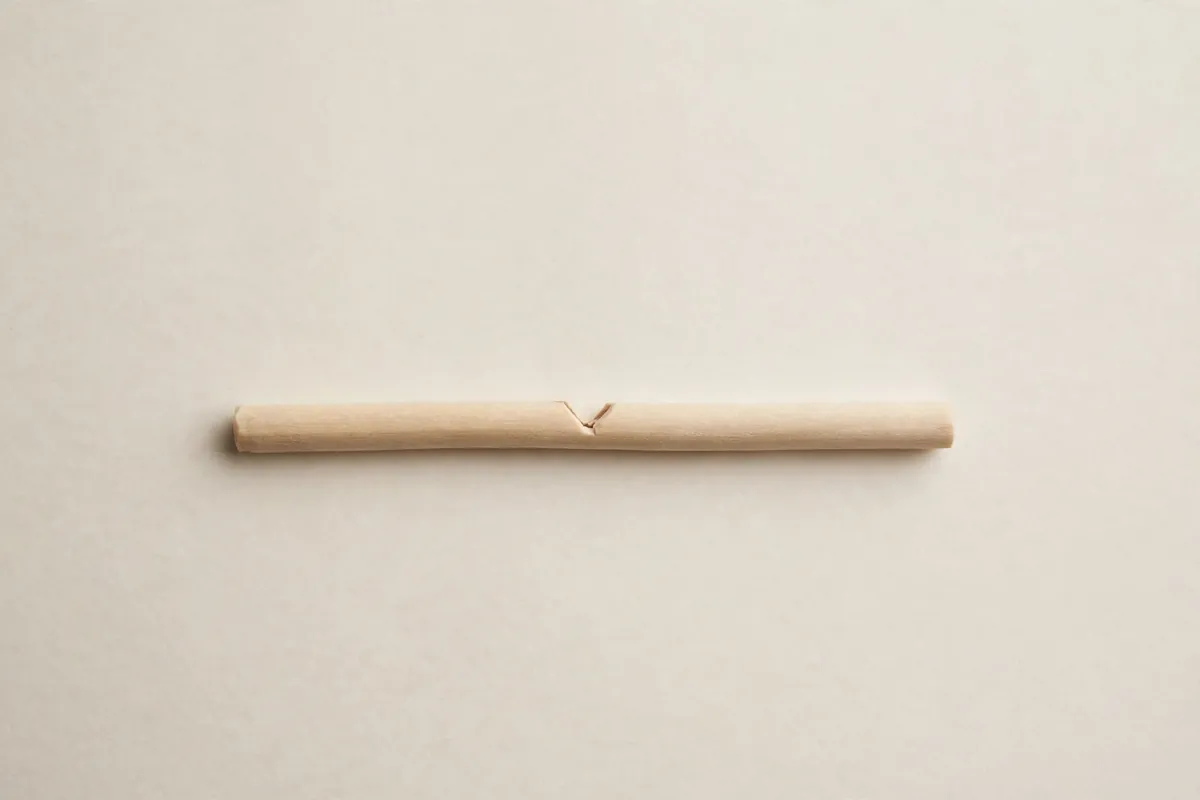
- The wood had a knick along the edge.
- Nick is also used as a short form of a name.
Read each example aloud and check whether the form fits the sentence. If the sentence sounds formal, informal, technical or everyday, the choice should match that tone, not just the dictionary entry.
Mistakes to avoid in this context
- Using both forms in the same document without a reason.
- Copying a form from a different context, such as a US example into a UK document, without checking the style guide.
- Choosing a form because it looks familiar, rather than because it matches the audience.
- Repeating the same example in every paragraph, instead of testing the form in new sentences.
Frequently asked questions
Which form should I use here? Use the form that matches meaning angle: knick as a small cut or notch vs nick as a name or a cut, and keep it consistent in the document.
Is the other form wrong? No. The other form is correct in its own context. This guide does not claim that the other form is always wrong, it only explains the choice for this angle.
What if my style guide differs? Follow your style guide first. A style guide for a school, journal or employer overrides a general rule.
Conclusion
For meaning angle: knick as a small cut or notch vs nick as a name or a cut, the safest approach is to pick one form, use it consistently, and test it in real sentences from that context. That approach keeps your writing clear, and it keeps this guide distinct from the general guide, which covers the wider question.
Related in this set: Knick or Nick: Easy Guide to Stop Confusing Them (Main comprehensive guide: stop confusing them). Each guide in this set covers a different angle, so use the one that matches your question.

Michael A. Turner is a senior content writer specializing in well-researched, easy-to-understand articles. Helps readers make informed decisions through reliable content.