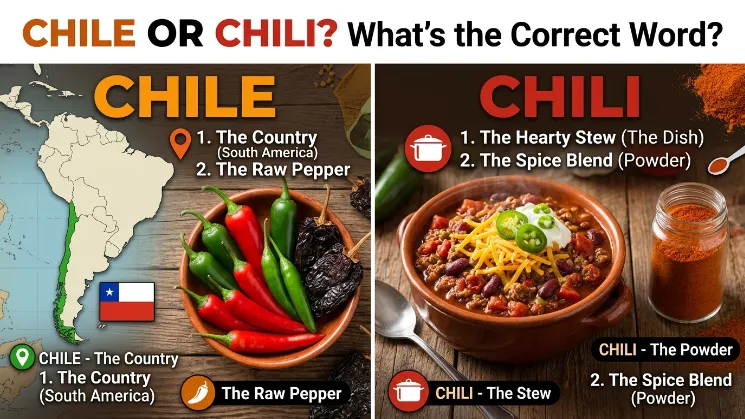
“Chili” usually refers to spicy food or chili pepper dishes, while “Chile” is a country in South America.
You’re looking at a recipe and see “chili powder”, but on a map, you notice Chile written as a country name. Suddenly, you wonder are these two words related or completely different?
This confusion is very common because chili and chile look almost identical, but they are used in totally different contexts. One is related to food and spice, while the other is a geographical name. The similarity in spelling often leads people to mix them up in writing.
Many people search for “chili or chile” when cooking recipes, writing articles, or learning English vocabulary. Using the wrong one can completely change the meaning of a sentence.
The good news is simple: both are correct—but only in their own context. In this guide, you’ll learn the exact difference, origin, usage rules, examples, and easy tricks to remember when to use chili and when to use Chile correctly.
Chili or Chile – Quick Answer
👉 Chili = Food, spice, or pepper dish 🌶️
👉 Chile = A country in South America 🇨🇱
Examples:
- I added extra chili to the soup. ✅
- Chile is known for its beautiful mountains. ✅
❌ I love eating Chile powder.
❌ Chili is a country in South America.
✔ Same spelling style, different meanings
The Origin of Chili or Chile
Even though the words look similar, they come from completely different origins.
Origin of “Chili”
The word chili comes from the Nahuatl language (Aztec language):
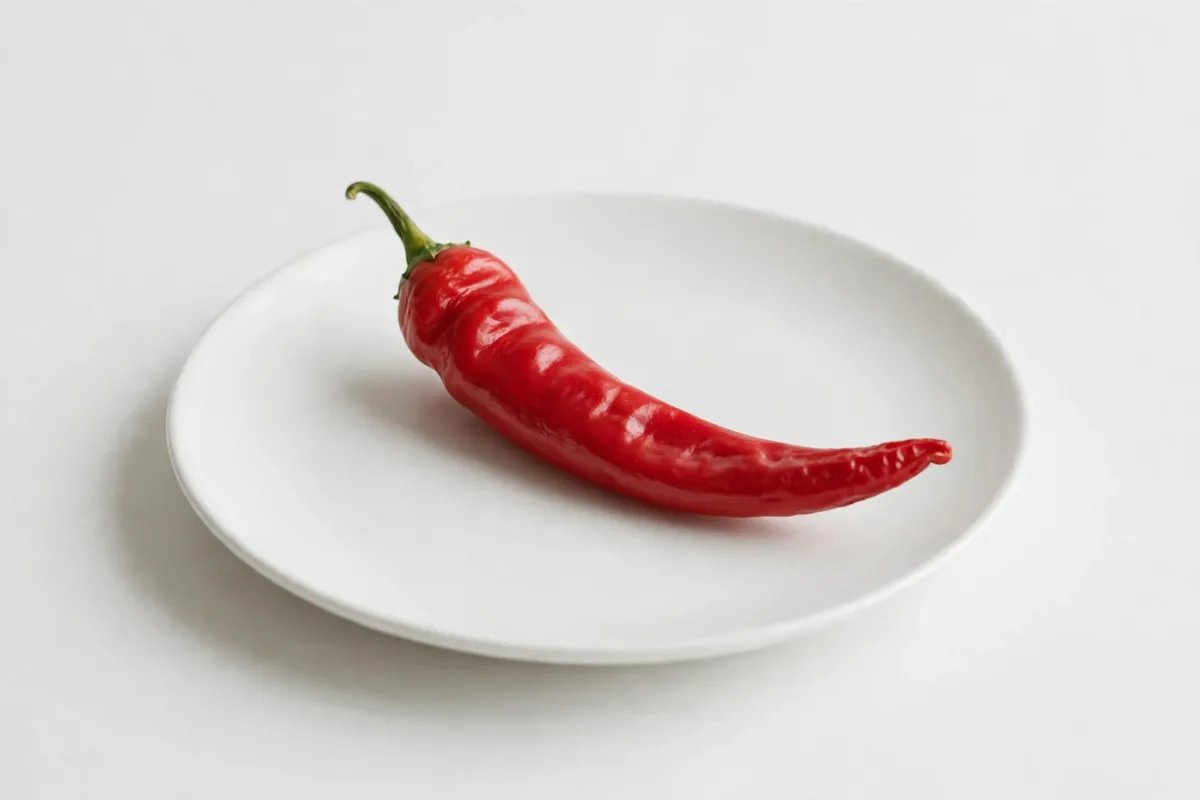
- chīlli → meaning “pepper”
It spread through Spanish and English due to:
- Spicy peppers from the Americas
- Global food culture
Today, “chili” is used for:
- Chili peppers
- Chili powder
- Chili dishes (like chili con carne)
Origin of “Chile”
The word Chile comes from indigenous languages of South America. Its exact origin is debated, but it is linked to:
- Local geographic naming traditions
- Indigenous words describing land or valleys
Today, Chile is:
👉 A long, narrow country in South America
Chili vs Chile – Meaning Explained
What Does “Chili” Mean?
“Chili” refers to:
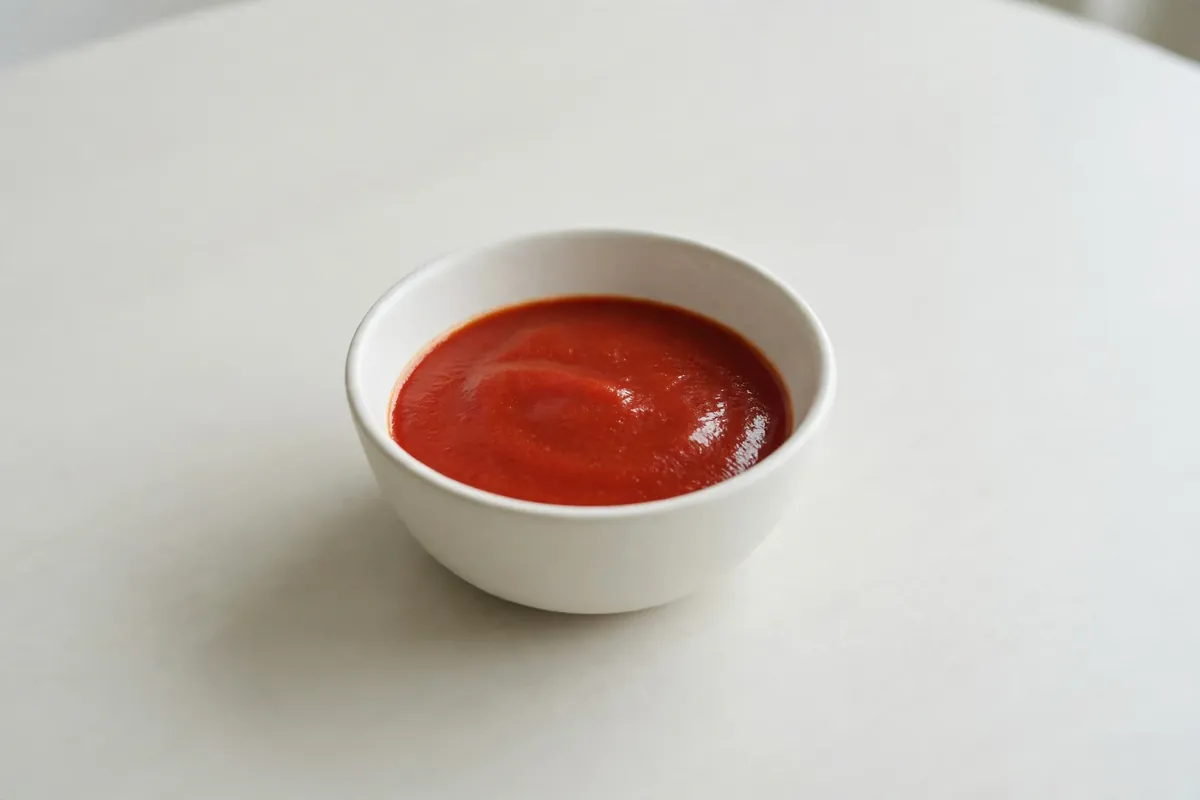
- Spicy peppers 🌶️
- Spicy food dishes 🍲
- Chili-based sauces and powders
Examples:
- This curry is full of chili.
- I like hot chili sauce.
- Add red chili powder for flavor.
What Does “Chile” Mean?
“Chile” refers to:
- A country in South America 🇨🇱
- A geographical location
Examples:
- I want to travel to Chile.
- Chile has the Andes mountains.
- The capital of Chile is Santiago.
British English vs American English Usage
This difference is not about British or American spelling—it is about meaning and context.
Key Point:
👉 “Chili” = food term used globally
👉 “Chile” = proper noun (country name)
Comparison Table
| Word | Meaning | Category |
|---|---|---|
| Chili | Spice/food | Common noun |
| Chile | South American country | Proper noun |
✔ No regional spelling change
Which Word Should You Use?
Choosing between chili or chile depends entirely on context.
Use “chili” when:
- Talking about food 🌶️
- Cooking recipes
- Referring to spicy ingredients
Use “Chile” when:
- Talking about geography
- Referring to travel or countries
- Writing proper nouns
Simple Rule:
👉 If it’s spicy → chili
👉 If it’s a country → Chile
Common Mistakes with Chili or Chile
Mistake 1:
❌ I visited chili last year
✔️ I visited Chile last year
Mistake 2:
❌ Add Chile powder to the dish
✔️ Add chili powder to the dish
Mistake 3:
❌ Chile sauce is very hot
✔️ Chili sauce is very hot
Mistake 4:
❌ Confusing food and geography
✔️ Remember context matters
Chili or Chile in Everyday Examples
In Cooking:
- I love spicy chili noodles
- This dish has too much chili powder
In Travel:
- Chile is famous for Patagonia
- I want to visit Chile someday
In Conversations:
- “This chili is too spicy!”
- “Have you been to Chile?”
On Social Media:
- “Spicy chili challenge 🌶️🔥”
- “Exploring Chile 🇨🇱✨”
Chili or Chile – Google Trends & Usage Data
Search trends show:
- Chili is widely searched in cooking and recipes
- Chile is searched mainly for travel and geography
Key Insight:
👉 Same spelling confusion, but completely different topics
Common Confusions:
- chili powder vs Chile country
- chili recipe vs Chile travel guide
Comparison Table: Chili vs Chile
| Feature | Chili 🌶️ | Chile 🇨🇱 |
|---|---|---|
| Meaning | Food/spice | Country |
| Type | Common noun | Proper noun |
| Usage | Cooking, food | Geography, travel |
| Example | Chili sauce | Chile map |
| Context | Culinary | Location |
Chili vs Chile in Professional Writing
Cooking Content:
- Always use chili for ingredients and recipes
Geography Content:
- Always use Chile when referring to the country
Example:
✔ Chili peppers are widely used in cuisine
✔ Chile is a popular travel destination
Simple Trick to Remember
Easy Memory Hack:
👉 Chili = spicy (like fire 🔥)
👉 Chile = place (on map 🗺️)
Visual Trick:
- Chili → think of food and heat
- Chile → think of country shape on map
FAQs
1. Is it chili or chile?
Both are correct but have different meanings.
2. What does chili mean?
It refers to spicy peppers or food.
3. What does Chile mean?
It is a country in South America.
4. Is chili a country?
No, chili is food. Chile is a country.
5. Is chili the same as chile?
No, they are completely different words.
6. Can I use chile for food?
No, use “chili” for food.
7. Why do people confuse them?
Because they look and sound similar.
Conclusion
The confusion between chili or chile happens because both words look almost identical, but their meanings are completely different. One belongs to food and cooking, while the other is a proper noun referring to a country.
Use chili when talking about spicy food, peppers, or recipes. Use Chile when referring to the South American country. The key difference is simple and depends entirely on context.
Even though they sound similar, mixing them up can completely change your sentence meaning. That’s why understanding this difference is important for clear writing and communication.
The easiest way to remember is:
👉 Chili = spicy food 🌶️
👉 Chile = country 🇨🇱
Now you can confidently use chili or chile correctly without confusion in any situation.

Miles Thornton is a seasoned author and content specialist with a knack for simplifying complex topics. Passionate about clear, engaging writing, creates articles that inform and inspire readers. With years of experience in digital publishing, Miles combines professionalism with creativity, delivering insightful content for diverse audiences