- She is putting the books on the shelf.
- They are putting their plans into action.
- I am putting my phone on silent.
Putting is the correct spelling. Puting is a spelling mistake. The verb put doubles the t before adding -ing, so the correct form is putting.
I still remember proofreading one of my first articles and stopping at the word puting. It looked almost right at first glance, but my spell checker immediately flagged it. That tiny mistake reminded me how easy it is to second-guess English spelling, even for common words we use every day.
If you’ve searched for putting or puting, you’re not alone. Many English learners, students, and even native speakers wonder why put becomes putting instead of puting. The rule is simple once you understand it, but it often causes confusion because English spelling does not always follow the same pattern.
The good news is that you only need to learn one easy rule. After that, you’ll know the correct spelling every time.
In this guide, you’ll discover which spelling is correct, why the extra “t” is needed, common mistakes to avoid, and simple examples you can use in everyday writing.
Putting or Puting: Quick Answer
The correct spelling is putting.
The word put follows the consonant-vowel-consonant (CVC) spelling rule. Before adding -ing, the final consonant t is doubled.
✅ Correct: putting
❌ Incorrect: puting
Examples
In every case, putting is the only correct spelling.
📔The Origin: Background of Putting
The word put has been part of the English language for hundreds of years. It comes from Old English putian, meaning to push, place, or move something into a position.
Today, put is one of the most common English verbs. You use it when placing, moving, or arranging something.
Examples include:
- Put the keys on the table.
- Put your shoes by the door.
- Put your name at the top of the page.
When English speakers want to show that the action is happening right now, they add -ing to the verb.
For many short verbs ending in a single consonant after a single vowel, English doubles the last consonant before adding -ing.
Examples include:
| Base Verb | Correct -ing Form |
| run | running |
| sit | sitting |
| stop | stopping |
| get | getting |
| put | putting |
This spelling rule explains why puting is incorrect.

Putting or Puting Explained: Key Differences
Although the two words look very similar, only one follows English spelling rules.
| Term | Meaning | When to Use | Region/Context |
| Putting | Present participle and gerund of put | Always | Worldwide English |
| Puting | Misspelling of putting | Never | Not accepted in standard English |
Why is “putting” correct?
English has a spelling rule for many short verbs.
When a verb:
- has one syllable,
- ends with one vowel followed by one consonant, and
- receives the suffix -ing,
the final consonant is usually doubled.
Put fits this rule perfectly.
Put
vowel (u)
consonant (t)
add -ing
putting
Compare with similar words
| Base Word | Correct Form |
| sit | sitting |
| run | running |
| swim | swimming |
| stop | stopping |
| put | putting |
Notice that each word doubles its last consonant before adding -ing.
Why do people write “puting”?
There are several reasons:
- They simply add -ing without remembering the doubling rule.
- Fast typing causes the second t to be missed.
- English spelling rules can seem inconsistent.
- Some learners assume every verb behaves like play → playing or read → reading.
However, put follows a different rule because it ends with a short vowel and a single consonant.
Simple examples
✅ I am putting my bag in the car.
✅ She keeps putting off her homework.
❌ I am puting my bag in the car.
❌ They are puting the chairs away.
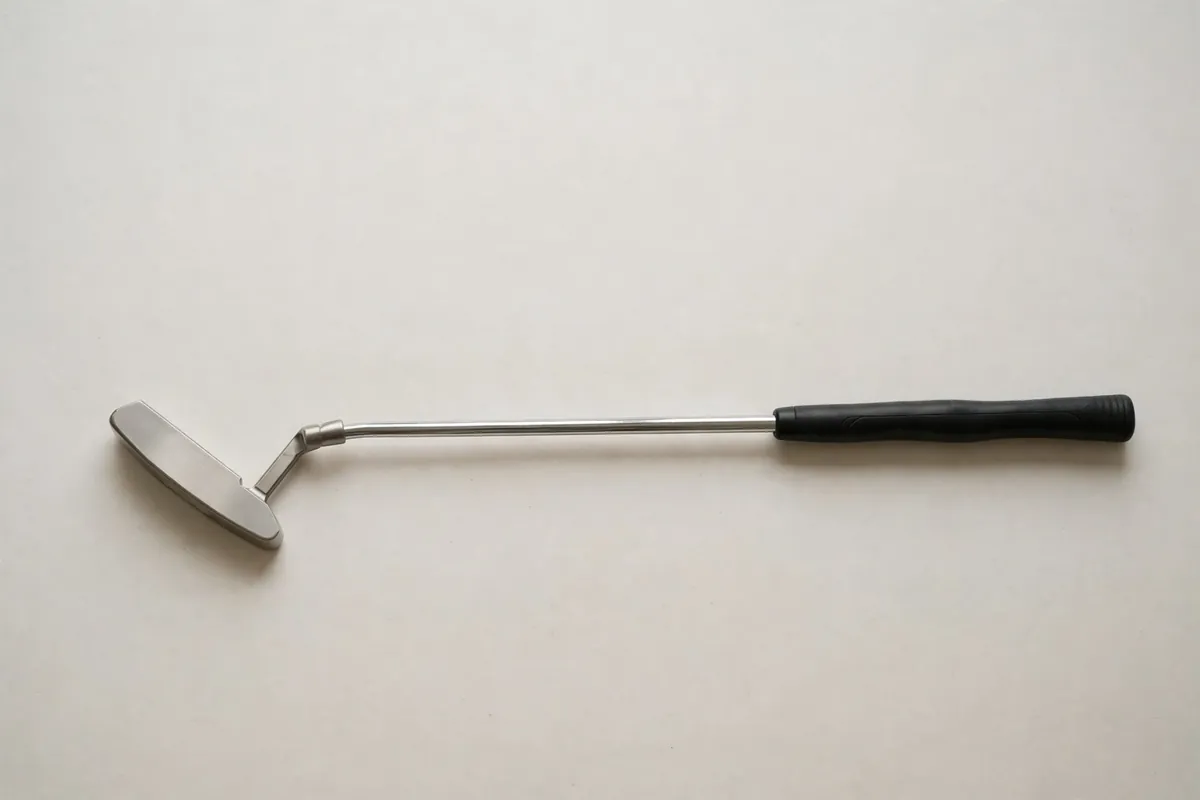
The incorrect spelling may be understood by readers, but it appears as a spelling error and should always be corrected.
Which Version Should You Use?
The answer is simple: always use putting.
Puting is not a correct English spelling. It appears because people forget to double the final t before adding -ing.
Here is the best choice based on your audience:
- Students → Use putting in homework, essays, and exams.
- Professionals → Use putting in emails, reports, and presentations.
- Content writers → Use putting for blogs, websites, and articles.
- Business communication → Always write putting to maintain credibility.
- Global English → Putting is correct in both American and British English.
Quick Recommendation
| Audience | Best Choice | Why |
| Students | Putting | Correct spelling for assignments and exams |
| Professionals | Putting | Looks polished and professional |
| Bloggers | Putting | Improves readability and SEO |
| English learners | Putting | Follows the standard spelling rule |
| Everyone | Putting | Accepted worldwide |
Bottom line: There is never a situation where puting is the preferred spelling.
⚠️Common Mistakes with Putting
Even though putting is a simple word, many writers make small spelling mistakes. Here are the most common ones.
| Mistake | Correct |
| ❌ Puting the books away. | ✅ Putting the books away. |
| ❌ She is puting on her jacket. | ✅ She is putting on her jacket. |
| ❌ They were puting everything in boxes. | ✅ They were putting everything in boxes. |
| ❌ We keep puting it off. | ✅ We keep putting it off. |
| ❌ I am puting my phone away. | ✅ I am putting my phone away. |
Why do these mistakes happen?
Most spelling errors happen because people:
- forget to double the final t
- type too quickly
- confuse put with verbs that simply add -ing
- rely on pronunciation instead of spelling
Easy Trick to Remember
Think about these words:
- sit → sitting
- run → running
- stop → stopping
- put → putting
If the short verb doubles its final consonant, put does too.
Putting in Real,World Examples
Seeing a word used naturally makes it much easier to remember.
Professional Email
We are putting together the final report and expect to send it tomorrow afternoon.
News Headline
Local volunteers are putting new trees in public parks this weekend
Social Media Post
Finally putting my travel photos online! 📸
Formal Report
The company is putting additional resources into employee training to improve customer service.
Everyday Conversation
I’m putting dinner on the table now.
School Assignment
She is putting all her notes into one notebook before the exam.
Workplace Chat
Thanks for putting this presentation together.
These examples show that putting fits naturally in both formal and informal writing.
Putting: Data, Trends & Usage📉
The search term “putting or puting” is popular because many people are unsure about the spelling.
Search Intent
Primary intent: Informational
People want to know:
- Which spelling is correct?
- Why is there a double t?
- What spelling rule applies?
- Can puting ever be correct?
Who Searches for It?
This topic is especially useful for:
- English learners
- School students
- University students
- Teachers
- Bloggers
- Copywriters
- Business professionals
- Proofreaders
Where Is It Most Common?
The question appears frequently among users in:
- countries where English is a second language
- schools and universities
- writing communities
- grammar forums
- online proofreading tools
Since putting is standard in both British English and American English, the answer is the same worldwide.
Why Does This Matter?
Correct spelling affects more than grammar.
Using putting instead of puting helps you:
- make your writing look professional
- avoid spelling errors
- build trust with readers
- improve clarity
- create stronger academic and business writing
Even one spelling mistake can distract readers. Choosing the correct form shows attention to detail.
Read more: Grimey or Grimy : Correct Spelling Explained (2026)
Standalone Comparison Table
| Term/Variant | Meaning | Region/Context | Best Used When |
| Putting | Present participle and gerund of put | American English, British English, Australian English, Canadian English, and other English varieties | Always use this spelling in formal and informal writing |
| Puting | Incorrect spelling of putting | Not accepted in standard English | Never use it |
Key Takeaways
- ✅ Putting is the only correct spelling.
- ✅ The final t is doubled before adding -ing.
- ✅ Puting is simply a spelling mistake.
- ✅ The rule is the same in all major varieties of English.
Frequently Asked Questions (FAQs)
Q: What is the correct spelling: putting or puting?
The correct spelling is putting. The word puting is a misspelling because the verb put doubles the final t before adding -ing.
Q: Why does “put” become “putting”?
English spelling rules say that many one-syllable verbs ending in a single vowel followed by a single consonant double the final consonant before adding -ing. That is why put becomes putting.
Q: Is “puting” ever correct?
No. Puting is not accepted in standard English. In formal writing, academic work, business communication, and everyday English, you should always write putting.
Q: Is “putting” correct in both British and American English?
Yes. Putting is the standard spelling in British English, American English, Canadian English, Australian English, and other major varieties of English.
Q: Can I use “putting” in formal writing?
Absolutely. Putting is appropriate in emails, reports, essays, research papers, business documents, and professional communication.
Example:
The company is putting more resources into employee training.
Q: What are some similar words that also double the final consonant?
Many short verbs follow the same spelling pattern, including:
- run → running
- sit → sitting
- stop → stopping
- swim → swimming
- get → getting
Like these verbs, put becomes putting.
Q: How can I remember the correct spelling?
A simple trick is to remember the phrase:
Put has two jobs, so it needs two Ts.
Or compare it with sit → sitting. If sit doubles the t, put does too.
🎯Conclusion
If you’ve ever wondered whether to write putting or puting, the answer is now clear. Putting is the only correct spelling, while puting is simply a spelling mistake.
The reason is easy to remember. Put is a short, one-syllable verb that follows the consonant-vowel-consonant spelling rule. Before adding -ing, the final t is doubled, giving you putting.
Here are the key points to remember:
- Putting is the correct spelling.
- Puting is incorrect.
- The spelling rule is the same in British and American English.
- Using the correct form makes your writing clearer and more professional.
The next time you write about placing, moving, or arranging something, you can use putting with confidence. A small spelling choice can make a big difference in how polished your writing looks.
Bookmark this guide so you never second-guess “putting or puting” again, and share it with anyone who wants to improve their English spelling.
Read more:Bitting or Biting: Explained with Examples (2026)

Passionate about language and clear communication, I explore the subtle differences between words and expressions through well-researched, practical content. My goal is to help readers write with greater clarity, confidence, and precision by making complex language concepts easy to understand.