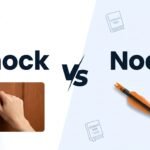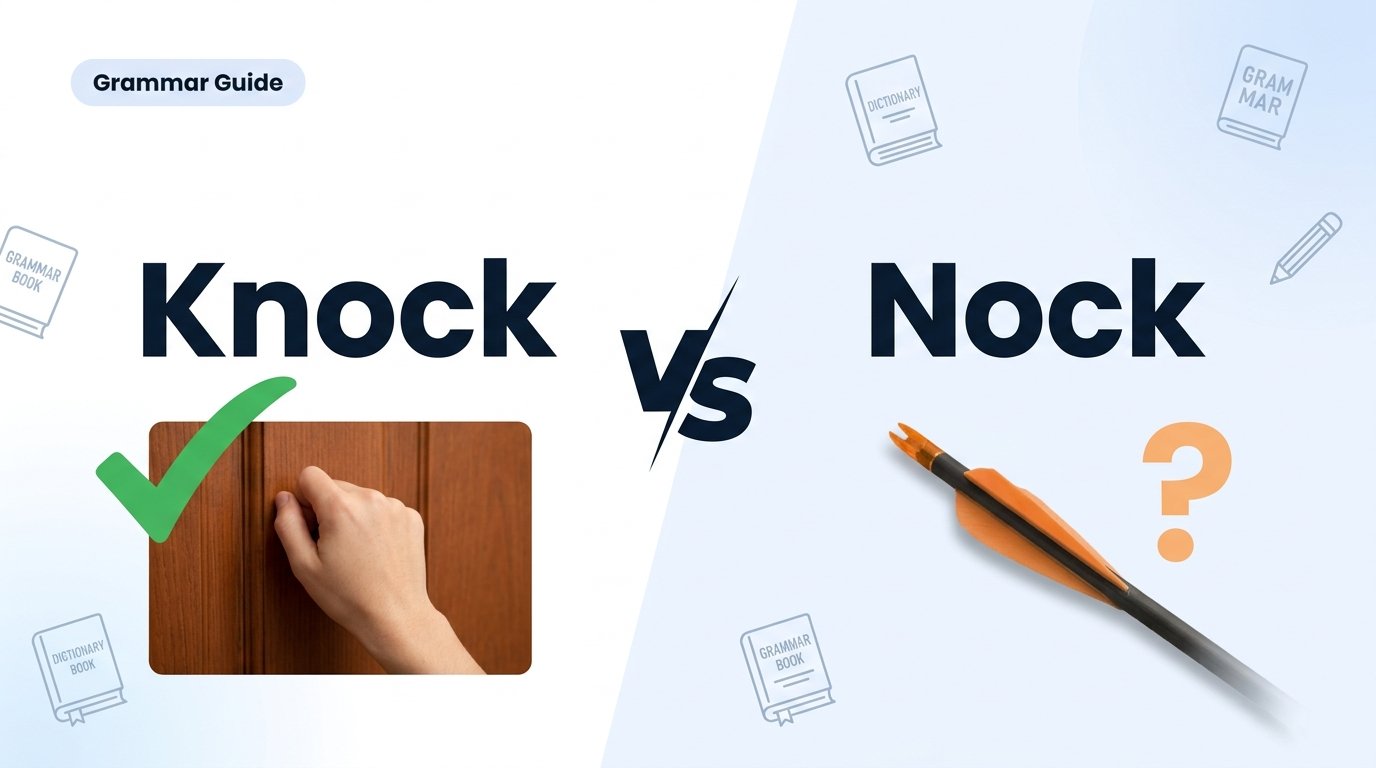
Have you ever wondered if to write “knock” or “nock”? You’re not alone. These two words sound exactly the same, making them a common source of confusion for English learners, writers, and even native speakers. Since they are homophones (words that sound alike but have different meanings), choosing the right one depends entirely on the context.
Most people searching for “knock or nock” want to know which spelling is correct for everyday writing. In most cases, the answer is knock.
However, nock is also a real English word with a very specific meaning related to archery and old weaponry.
This guide explains the difference between knock and nock, where each word comes from, how British and American English use them, common mistakes to avoid, real life examples, Google Trends insights, and answers to frequently asked questions. By the end, you’ll know exactly when to use each word with confidence.
Knock or Nock Quick Answer
The correct word depends on what you mean.
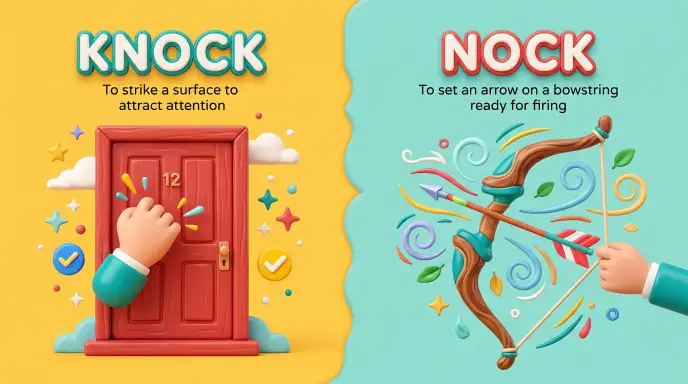
- Knock = To hit a surface, make a tapping sound, criticize someone, or experience a setback.
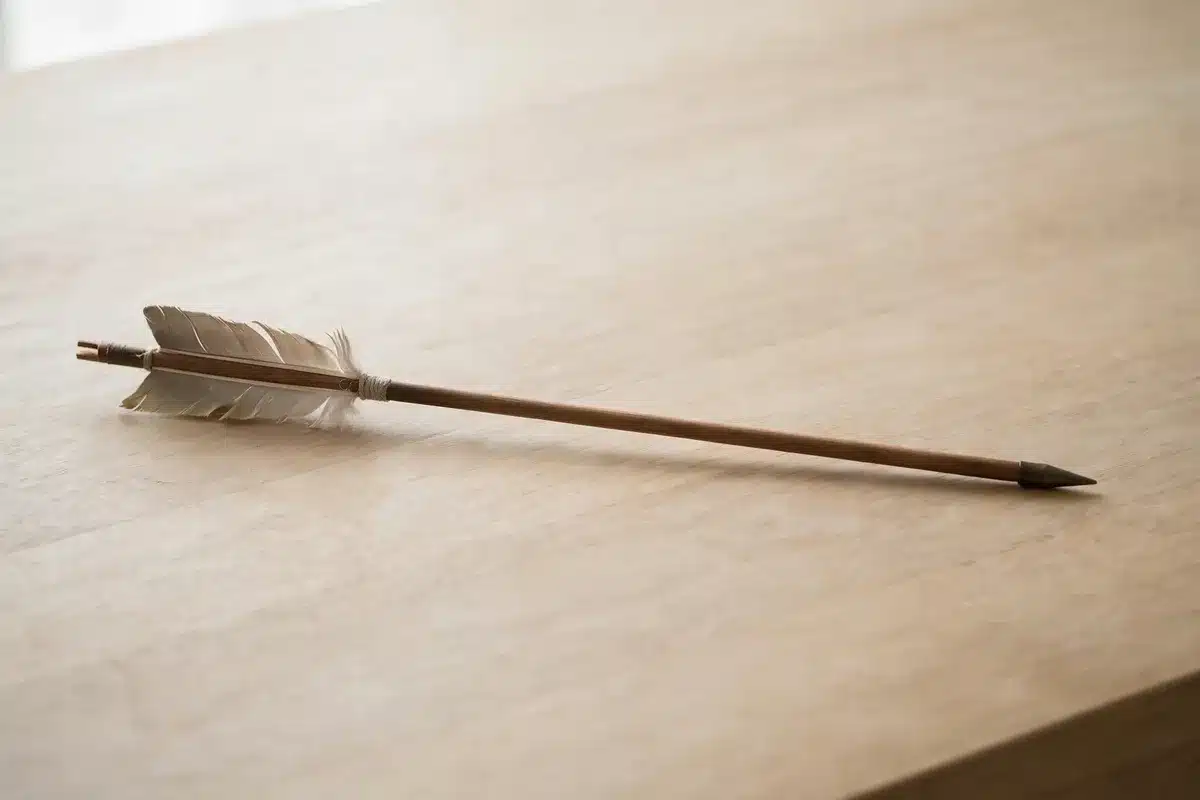
- Nock = The small notch at the end of an arrow where the bowstring fits.
Examples
Please knock before entering.
Someone knocked on the door.
The archer placed the arrow’s nock on the bowstring.
❌ Please nock before entering.
❌ Someone knocked the arrow onto the bowstring. (Incorrect if referring to the arrow notch.)
The Origin of Knock or Nock
Knock
The word knock comes from Middle English and is believed to have Germanic roots. It has been used for hundreds of years to describe striking something to make a sound.
Nock
The word nock comes from Old English and later medieval archery terms. It refers specifically to the notch cut into the end of an arrow that connects with the bowstring.
Because both words are pronounced the same, writers sometimes confuse them. However, their meanings have always been different.
British English vs American English Spelling
There is no spelling difference between British and American English.
Both varieties use:
- Knock for hitting or tapping.
- Nock for archery.
| Meaning | British English | American English |
| Hit or tap | knock | knock |
| Arrow notch | nock | nock |
Both spellings are identical worldwide.
Which Spelling Should You Use?
Choose the word based on your meaning.
| Audience | Recommended Word |
| Everyday writing | knock |
| Business writing | knock |
| School essays | knock |
| Archery discussions | nock |
| Historical writing | nock (when referring to arrows) |
| Global audience | knock or nock (depending on context) |
For almost all everyday situations, knock is the correct choice.
Common Mistakes with Knock or Nock
Many people confuse these words because they sound alike.
| Incorrect | Correct |
| Nock on the door. | Knock on the door. |
| Knock the arrow to the string. | Nock the arrow to the string. |
| The arrow’s knock broke. | The arrow’s nock broke. |
| Please nock before entering. | Please knock before entering. |
Easy Memory Trick
- Knock = Think of knocking on a door.
- Nock = Think of an arrow’s notch.
Knock or Nock in Everyday Examples
Please knock before entering the meeting room.
News
Police asked witnesses who heard someone knock on the door to come forward.
Social Media
Always knock before entering someone’s room!
Formal Writing
Participants should knock before entering the interview room.
Archery
The archer carefully placed the nock onto the bowstring before aiming.
Knock or Nock Google Trends & Usage Data
Search data shows that knock is searched far more often than nock.
Why?
- Knock is used in daily conversations.
- Nock is mainly used in archery and historical contexts.
- Many users search “knock or nock” because they hear the words but are unsure which spelling fits.
The highest search interest generally comes from English speaking countries such as:
- United States
- United Kingdom
- Canada
- Australia
- India
Search engines usually recognize that users are asking about the difference between the two words rather than correcting one spelling.
Knock vs Nock Comparison Table
| Feature | Knock | Nock |
| Correct English word | ✅ Yes | ✅ Yes |
| Everyday use | ✅ Very common | ❌ Rare |
| Used in archery | ❌ No | ✅ Yes |
| Means to hit or tap | ✅ Yes | ❌ No |
| Means arrow notch | ❌ No | ✅ Yes |
| British English | ✅ Same | ✅ Same |
| American English | ✅ Same | ✅ Same |
FAQs
Is it knock or nock on the door?
Use knock. It means to tap on a door.
Is nock a real English word?
Yes. It is a real word used in archery to describe the notch at the end of an arrow.
Why do knock and nock sound the same?
They are homophones, meaning they have the same pronunciation but different meanings and spellings.
Do British and American English spell knock differently?
No. Both use knock and nock with the same meanings.
Can nock be used as a verb?
Yes. In archery, to nock an arrow means to place the arrow onto the bowstring.
Which word is more common?
Knock is much more common because it appears in everyday speech and writing.
How can I remember the difference?
Remember:
- Knock → Knock on a door.
- Nock → Notch on an arrow.
Conclusion
Understanding the difference between knock and nock is simple once you know their meanings. Knock is the everyday word used for tapping on a door, hitting something, or making a knocking sound.
It is one of the most common verbs in English and appears in daily conversations, emails, books, and news articles.
Nock, on the other hand, is a specialized term used mainly in archery. It refers to the notch at the end of an arrow that holds the bowstring.
While it is a correct English word, it is rarely used outside discussions about bows and arrows.
There is no difference between British and American English for these words. Both spellings remain the same worldwide. If you are writing for a general audience, you will almost always need knock.
Use nock only when talking about archery or historical weapons. Knowing this distinction will help you avoid mistakes and write with confidence.
Read more about!
Related articles: Ensuring or Insuring: Guarantee Examples, Sweet or Sweat: Taste or Perspiration in Sentences, Dirk or Dagger: What’s the Difference?.
See the dictionary definitions for knock and nock.