Sweet or Sweat: Which Word Is Correct?

Have you ever typed a message and paused, unsure if you meant “sweet” or “sweat”? You are not alone. These two words look almost the same on paper. They share the same first three letters. They sound close when spoken quickly. But their meanings are completely different, and mixing them up can turn a kind message into a confusing one.

People search for “sweet or sweat” for a few simple reasons. Some are checking a spelling before sending a text. Some are language learners trying to understand two tricky English words. Others typed one word by mistake and want to confirm the correct choice before they hit send on an email or social post.

This guide gives you a fast, clear answer first. Then it walks through the origin of both words, spelling habits across English speaking countries, common mistakes, real world examples, and answers to the questions people ask most. By the end, you will never confuse these two words again.

Sweet or Sweat: Quick Answer

“Sweet” and “sweat” are two separate English words. They are not spelling variations of the same word. Each one has its own meaning.

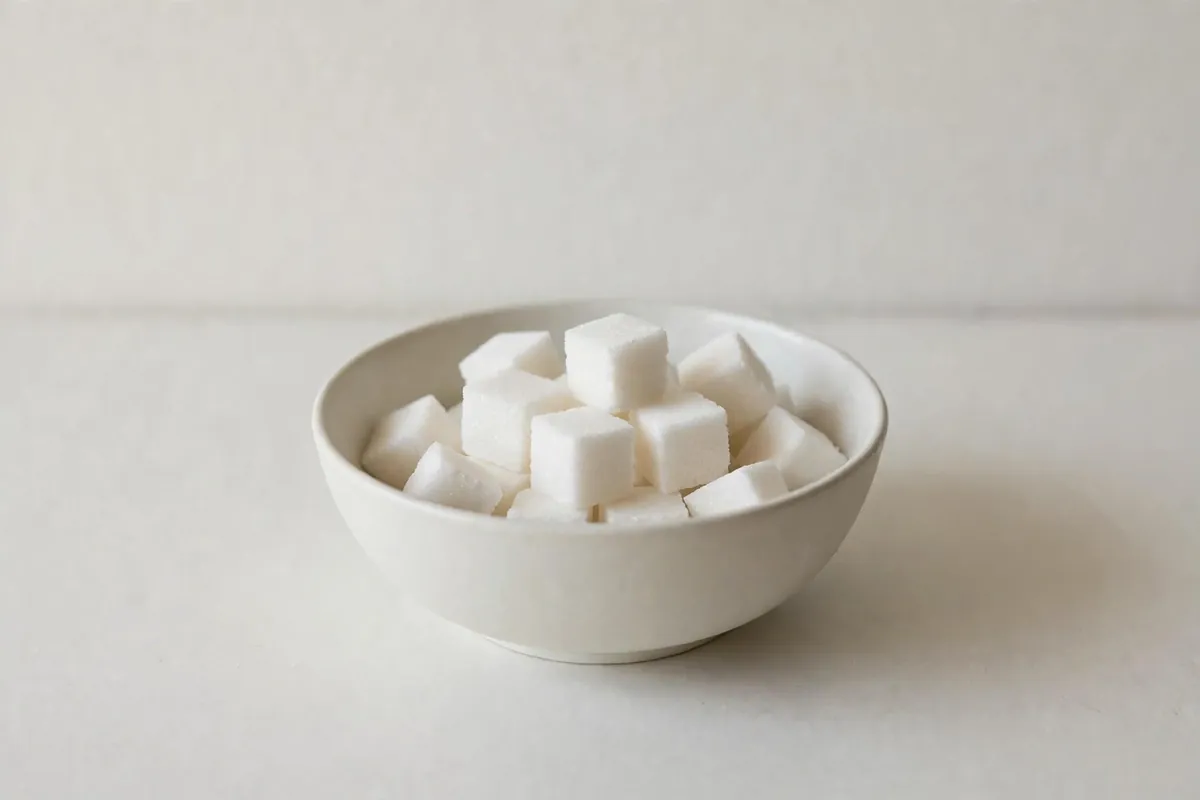
“Sweet” describes something with a sugary taste, or something kind and pleasant. Example: “This mango is very sweet.” Another example: “That was a sweet thing to say.”

“Sweat” describes the liquid your body releases when you are hot, nervous, or exercising. It can also be a verb. Example: “I sweat a lot after my morning run.” Another example: “Her forehead was covered in sweat.”

The two words are never interchangeable. If you are talking about taste or kindness, use “sweet.” If you are talking about body moisture or hard effort, use “sweat.”

The Origin of Sweet or Sweat

The Origin of Sweet or Sweat

Both words come from Old English, and their close spelling is simply a result of shared roots in the Germanic language family, not a shared meaning.

“Sweet” comes from the Old English word “swete,” which itself came from an older Germanic root meaning pleasant to the taste. Over centuries, the spelling shifted slightly, but the core meaning of pleasantness, whether in flavor or in behavior, has stayed the same.

“Sweat” comes from the Old English word “swat,” meaning the moisture produced by the skin. This word also has Germanic roots, related to words in Dutch and German that describe perspiration. The verb form “to sweat” developed naturally from the noun.

So the resemblance between “sweet” and “sweat” is a coincidence of history, not a case of one word branching into two spellings. This is different from true spelling variants like “color” and “colour,” which are the same word written differently by region.

See also  Fiber or Fibre: Which Spelling Should You Use? 🌾

British English vs American English Spelling

This is where many learners expect a difference, but there is good news. Both “sweet” and “sweat” are spelled exactly the same way in British English and American English. There is no regional spelling split here, unlike words such as “flavor” versus “flavour” or “realize” versus “realise.”

What does change slightly between regions is usage and tone. British English speakers sometimes use “sweet” informally to mean kind or likeable, much like Americans do, but the word “sweets” (plural) is commonly used in British English to mean candy. In American English, the word “candy” is used instead, and “sweets” sounds more old fashioned or formal.

Spelling Comparison Table

As the table shows, the core spelling never changes. Only casual word choice and regional slang shift slightly.

Which Spelling Should You Use?

Since spelling is identical worldwide, the real question is which word fits your sentence, not which spelling fits your country. Still, here is guidance based on your audience.

For US Readers

Use “sweet” for taste, kindness, or approval. Use “sweat” for perspiration or hard work. Avoid the plural “sweets” for candy, since American readers may find it unfamiliar or overly formal.

For UK and Commonwealth Readers

Use “sweet” and “sweat” the same way as above. You can safely use “sweets” to mean candy in casual writing, since this is common and well understood across the UK, Ireland, Australia, and other Commonwealth countries.

For Global or ESL Readers

Stick to the core meanings only. Say “sweet” for flavor and personality. Say “sweat” for moisture and effort. Avoid slang forms like “sweets” until you are confident with regional context, since this can confuse readers outside the UK.

Common Mistakes with Sweet or Sweat

Common Mistakes with Sweet or Sweat

Even fluent speakers slip up sometimes. Here are the most frequent errors.

  1. Typing “sweet” when describing a workout, such as writing “I broke a sweet at the gym” instead of “I broke a sweat at the gym.”
  2. Typing “sweat” in a compliment, such as writing “That is so sweat of you” instead of “That is so sweet of you.”
  3. Confusing “sweaty” with “sweety.” The correct word for someone covered in perspiration is “sweaty.” “Sweetie” is a term of affection, and “sweety” is a common misspelling of it.
  4. Autocorrect swapping the words because they share the same starting letters, especially on mobile keyboards.
  5. Non native speakers mixing up the words because the pronunciation difference is subtle, especially in fast speech.
See also  Referral or Referal: Which Spelling Is Correct?

A simple trick to avoid this mistake: remember that “sweet” ends in a soft “t” sound tied to taste, while “sweat” relates to water and effort, both starting with the same rough idea of physical exertion.

Sweet or Sweat in Everyday Examples

In Emails

“Thank you for the sweet gesture, it really made my day.” “I worked up quite a sweat finishing the report before the deadline.”

In News Writing

“The bakery’s new sweet treats have become a local favorite.” “Athletes were seen dripping with sweat during the record breaking heatwave.”

In Social Media Posts

“This coffee is way too sweet for me, need less sugar next time.” “No pain, no sweat, just pure determination at today’s workout.”

In Formal Writing

“The proposal received a sweet reception from the board members.” “Employees reported excessive sweat production due to poor office ventilation, prompting a facilities review.”

These examples show that context always makes the correct word obvious. Taste and kindness call for “sweet.” Physical exertion and moisture call for “sweat.”

Sweet or Sweat: Google Trends and Usage Data

Sweet or Sweat  Google Trends and Usage Data

Search interest in confused word pairs like “sweet or sweat” tends to rise from three main groups of users.

English language learners make up a large share of these searches, especially from regions where English is a second language, since the words look nearly identical in text.

Parents and students helping with grammar homework form another steady group, often searching around the school year when spelling and vocabulary lessons are common.

Casual writers and social media users searching quickly before posting make up the rest, often triggered by autocorrect errors on smartphones.

Interest in this type of query stays fairly steady year round, without major seasonal spikes, since spelling confusion is not tied to any holiday or event. It tends to be slightly higher in countries with large ESL populations, including India, the Philippines, and parts of the Middle East, compared to native English speaking countries like the US and UK, where the confusion is less common but still happens due to typos.

Word Variation Comparison Table

Frequently Asked Questions

Frequently Asked Questions

Is it spelled differently in British and American English?

No. “Sweet” and “sweat” are spelled the same way in both British English and American English. Only certain related slang, like “sweets” for candy, differs by region.

See also  Slushie or Slushy: Correct Spelling and Usage Guide For 2026

Can “sweet” and “sweat” ever mean the same thing?

No. They are unrelated in meaning. “Sweet” refers to taste or kindness, while “sweat” refers to body moisture or effort. Their similar spelling is coincidental.

Why do people confuse these two words so often?

The words share the same first three letters and look similar when typed quickly. Autocorrect on phones also sometimes swaps them, since both are common English words.

What is the correct word for candy in American English?

American English typically uses “candy,” while British English commonly uses “sweets” for the same items.

Is “sweaty” the correct word, or is it “sweety”?

“Sweaty” is the correct adjective for something covered in sweat. “Sweety” is a common misspelling of “sweetie,” which is a term of endearment.

How can I remember which word to use in a sentence?

Think about the topic first. If your sentence involves flavor, sugar, or kindness, use “sweet.” If it involves heat, exercise, nerves, or body moisture, use “sweat.”

Does “sweat” have more than one meaning?

Yes. “Sweat” can be a noun for the liquid released by the skin, or a verb meaning to perspire. It is also used informally to describe worry, as in the phrase “don’t sweat it.”

Conclusion

The fastest way to choose correctly is to check the context of your sentence. If you are talking about taste or a kind gesture, reach for “sweet.” If you are talking about heat, exercise, or nervous perspiration, reach for “sweat.” Keep an eye on related words too, like “sweaty” versus “sweety,” since these follow the same logic.

With the quick answer, the word origins, real world examples, and the comparison tables in this guide, you now have everything you need to use both words correctly and confidently in any type of writing, from casual texts to formal reports.

Leave a Comment