If you have searched for conbini or konbini, you are probably wondering which spelling is correct. You may have seen konbini in travel blogs, anime, manga, YouTube videos, or social media. At the same time, some websites and online stores use conbini, making the choice confusing.
The good news is that both words refer to the same thing—a Japanese convenience store. However, one spelling is much more accurate in English and Japanese.
Understanding the difference helps you write correctly, improve your Japanese vocabulary, and avoid common spelling mistakes.
This guide explains the meaning, history, pronunciation, and proper usage of conbini and konbini.
You’ll also see real life examples, a comparison table, Google Trends insights, and answers to common questions. By the end, you’ll know exactly which spelling to use and why.
Conbini or Konbini Quick Answer
Quick Answer: Konbini is the preferred and more accurate spelling.
Why?
The Japanese word is コンビニ, which is romanized as konbini. It comes from the English phrase convenience store.
Examples
✅ We stopped at a konbini for snacks before our train.
✅ Japanese konbini sell fresh meals, drinks, and daily essentials.

❌ We visited a conbini in Tokyo. (Less common spelling in English.)
While conbini appears online, konbini is the accepted spelling among Japanese language learners, travel writers, and dictionaries.
The Origin of Conbini or Konbini
The word konbini (コンビニ) is a Japanese abbreviation of the English phrase convenience store.
When English words enter Japanese, they are written in katakana, a script used for foreign words. The pronunciation changes slightly to match Japanese sounds.
- Convenience Store
- コンビニエンスストア (Konbiniensu Sutoa)
- Shortened to コンビニ (Konbini)
The spelling conbini likely appeared because the original English word begins with con. However, standard Japanese romanization uses ko, making konbini the correct spelling.
Conbini vs Konbini Comparison Table
| Feature | Conbini | Konbini |
| Meaning | Japanese convenience store | Japanese convenience store |
| Based on Japanese pronunciation | No | Yes |
| Standard romanization | No | Yes |
| Common in dictionaries | Rare | Yes |
| Used by travelers | Sometimes | Very common |
| Recommended spelling | No | Yes |
Which Spelling Should You Use?
Choose konbini whenever possible.
Use konbini if you are writing:
- Travel articles
- Japanese culture blogs
- Language lessons
- Academic writing
- Social media posts
- News articles
You may see conbini on some websites, but konbini is the spelling most readers expect.

Conbini or Konbini in Everyday Examples
Here are examples showing how konbini is used in daily writing.
I’ll grab lunch from the konbini before our meeting.
News
Japanese konbini chains continue expanding their fresh food options.
Social Media
Found the best desserts at a Tokyo konbini today!
Travel Blog
Every konbini we visited was clean, affordable, and open 24 hours.
Formal Writing
The Japanese konbini industry plays an important role in everyday life.
Conbini or Konbini Google Trends & Usage Data
Search interest shows that konbini is far more popular than conbini.
Popular Countries
- Japan
- United States
- Canada
- United Kingdom
- Australia
Why Konbini Is More Popular
- Matches Japanese pronunciation.
- Used by anime and manga fans.
- Preferred in travel guides.
- Found in Japanese learning materials.
- Used by most English language publications about Japan.
Conbini receives much lower search volume and is generally considered a spelling variation rather than the standard form.

Common Mistakes
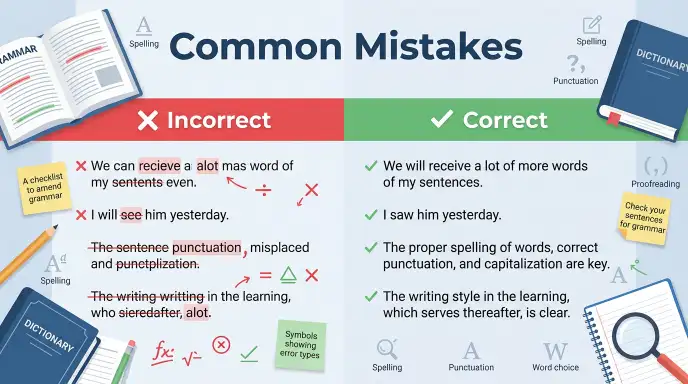
Avoid these common errors.
| Incorrect | Correct |
| Conbini is the official spelling. | Konbini is the standard spelling. |
| Conbini and convenience store are different. | Konbini means convenience store in Japan. |
| Konbini is a brand name. | Konbini is a general Japanese word. |
Tips for Remembering
- K stands for Katakana, where the word comes from.
- Japanese spelling uses Konbini.
- Think of Konbini = Japanese convenience store.
Frequently Asked Questions
1. Is conbini or konbini correct?
Konbini is the correct and preferred spelling.
2. What does konbini mean?
It means a Japanese convenience store.
3. Why do some people write conbini?
Some writers copy the beginning of the English word convenience, but it is not the standard romanization.
4. Is konbini an English word?
No. It is a Japanese loanword used in English discussions about Japan.
5. Are konbini stores open all day?
Most Japanese konbini operate 24 hours, although some locations now have shorter hours.
6. Which spelling should travel writers use?
Travel writers should use konbini because it is widely recognized and follows Japanese romanization.
7. Does Google recognize both spellings?
Yes. However, konbini is searched much more often and appears in more authoritative sources.

Conclusion
The choice between conbini or konbini is simple once you understand the word’s origin. Both refer to the same type of Japanese convenience store, but konbini is the standard spelling because it follows the accepted romanization of the Japanese word コンビニ.
It is the version used by language learners, travel experts, dictionaries, and most English publications discussing Japan.
Although conbini appears occasionally on websites and social media, it is less common and may confuse readers who are familiar with Japanese.
For clear, accurate, and professional writing, always choose konbini. If you’re writing a travel guide, a blog post, an email, or a social media update, using the correct spelling helps your content look more reliable and easier to understand.
Read more about!
Yes or Tarot: Which Word Is Correct? A Simple Grammar Guide
Related articles: Excel or Excell: Which Spelling Is Correct?, Waisted vs Wasted: What’s the Real Difference?, Tonight or Tonite: Which Spelling Is Correct?.
See the dictionary definitions for conbini and konbini.

Daniel R. Foster is an experienced English language writer and editor who specializes in explaining commonly confused words and grammar nuances. With a strong passion for clarity in communication, he creates easy-to-understand comparisons that help learners, students, and professionals use English more confidently. His articles focus on accuracy, real-world examples, and practical usage.