| Feature | Butter | Margarine |
|---|---|---|
| UK spelling | Butter | Margarine |
| US spelling | Butter | Margarine |
| Meaning change | No | No |
| Usage | Worldwide | Worldwide |
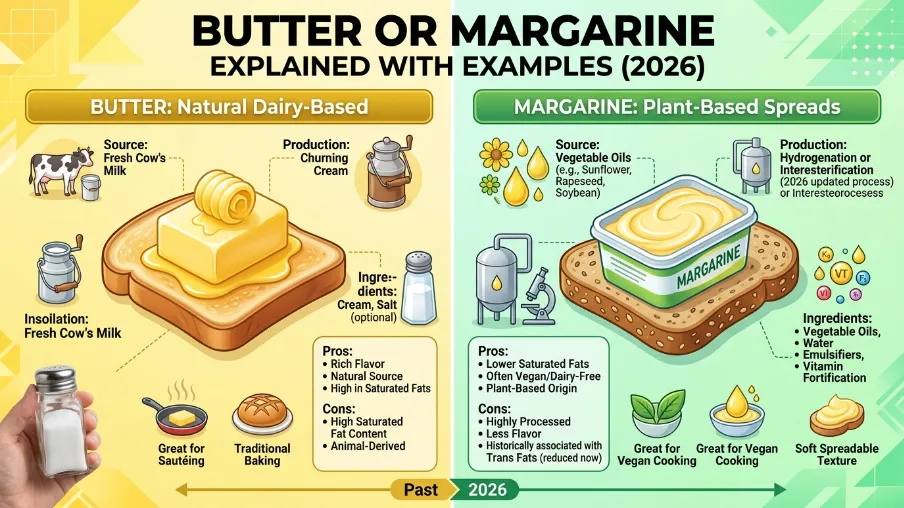
Butter is made from dairy cream, while margarine is usually made from vegetable oils as a butter alternative.
You’re standing in a grocery store staring at two shelves. One side says butter. The other says margarine. Both look similar, both spread on bread, and both are used in cooking. Now you wonder: Which one is actually better butter or margarine?
This question has confused people for decades. Some believe butter is healthier because it is natural. Others choose margarine because it is plant-based and often lower in saturated fat. The debate became even bigger after food companies started marketing margarine as a “healthy alternative.”
People search for “butter or margarine” because they want a simple answer for:
- Cooking
- Baking
- Health choices
- Weight management
- Taste preferences
- Everyday meals
The truth is that both products have differences in ingredients, nutrition, flavor, texture, and usage. Neither option is automatically perfect for everyone. The best choice often depends on diet, lifestyle, cooking needs, and personal preferences.
In this complete guide, you’ll learn the differences, origins, health comparisons, cooking uses, examples, common myths, and practical advice about choosing between butter and margarine.
Butter or Margarine – Quick Answer
👉 Butter = Made from dairy cream 🧈
👉 Margarine = Usually made from vegetable oils 🌱
Simple Difference:
- Butter is animal-based
- Margarine is usually plant-based
Examples:
- Butter is popular in baking ✅
- Margarine is commonly used as a spread ✅
The Origin of Butter or Margarine
Origin of Butter
Butter has existed for thousands of years. It is made by:
👉 Churning cream until fat separates
Traditional butter became popular because of:
- Rich flavor
- Cooking versatility
- Natural dairy ingredients
Origin of Margarine
Margarine was created in the 1800s as a cheaper butter alternative.
It was originally developed:
- For affordability
- Longer shelf life
- Easier production
Modern margarine is usually made from:
- Vegetable oils
- Plant fats
- Added ingredients for texture and flavor
Butter vs Margarine – Meaning Explained
What Is Butter?
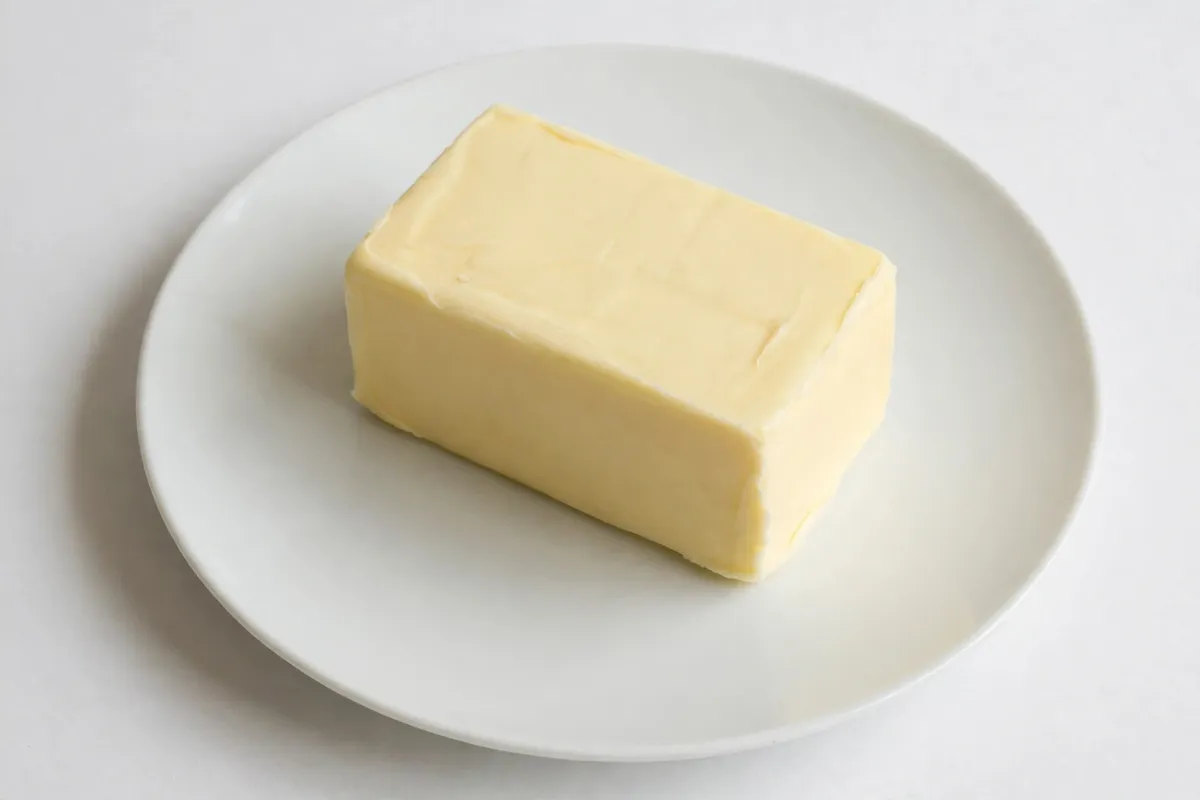
Butter is:
- A dairy product
- Made from milk or cream
- Rich and creamy in taste
Common Uses:
- Baking cookies
- Toast spread
- Cooking sauces
- Frying
What Is Margarine?
Margarine is:
- A processed butter substitute
- Usually made from vegetable oils
- Designed to spread easily
Common Uses:
- Bread spread
- Cooking
- Low-cost baking
- Plant-based diets
British English vs American English Usage
Both British and American English use:
- Butter
- Margarine
Comparison Table
✔ Same terminology globally
Which One Should You Use?
The answer depends on your needs.
Choose Butter When:
- You want rich flavor
- You enjoy traditional baking
- You prefer natural dairy products
Choose Margarine When:
- You want a plant-based option
- You avoid dairy
- You prefer easy spreading
- You want lower saturated fat options
Simple Rule:
👉 Flavor-focused cooking = Butter
👉 Plant-based or dairy-free choice = Margarine
Common Mistakes About Butter or Margarine
Mistake 1
❌ Margarine and butter are identical
✔ They have different ingredients and production methods
Mistake 2
❌ Butter is always unhealthy
✔ Moderate butter use can fit many diets
Mistake 3
❌ All margarine is healthy
✔ Some older margarines contained trans fats
Mistake 4
❌ Margarine tastes exactly like butter
✔ Flavor and texture can differ significantly
Butter or Margarine in Everyday Examples
Breakfast
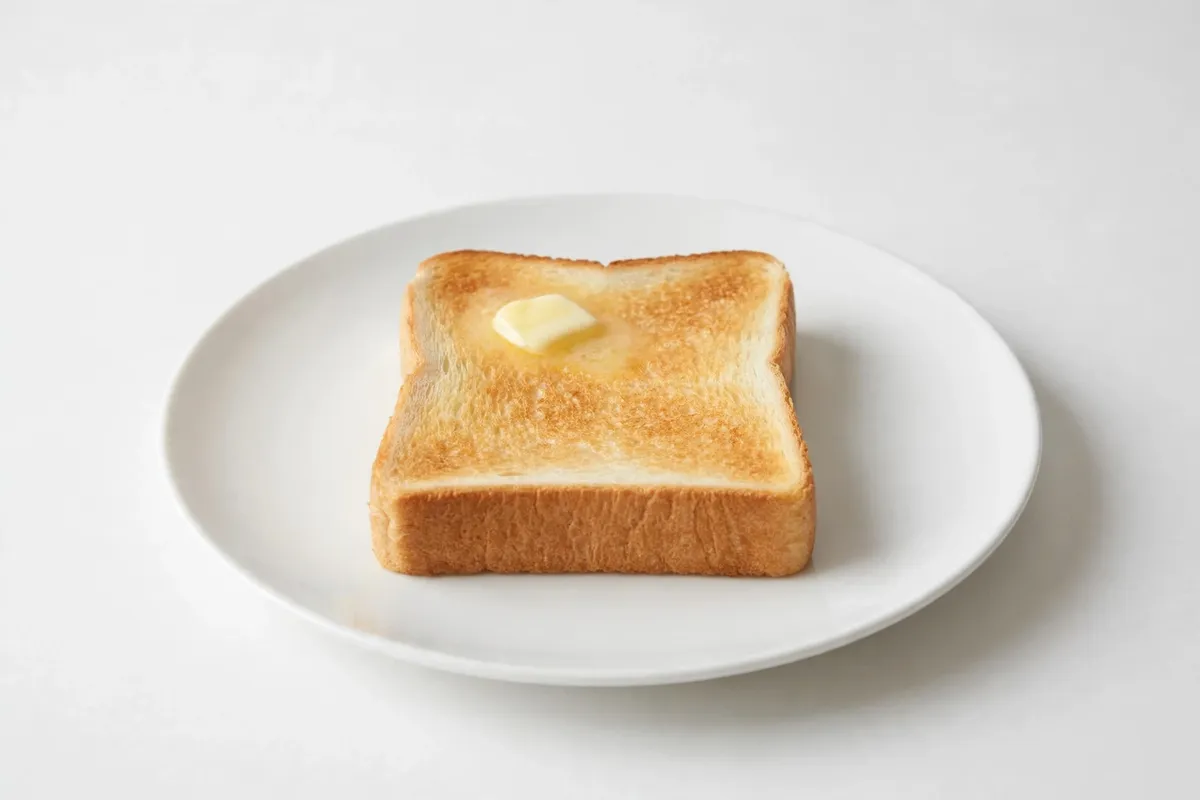
- Butter on toast
- Margarine on sandwiches
Baking
- Butter gives richer flavor in cookies
- Margarine may create softer textures
Cooking
- Butter adds creamy taste to sauces
- Margarine works well for quick cooking
Social Media
- “Nothing beats warm butter on bread 🧈”
- “Trying plant-based margarine this year 🌱”
Butter or Margarine – Google Trends & Usage Data
Search patterns show people commonly search:
- Butter vs margarine
- Which is healthier
- Best option for baking
- Margarine ingredients
- Butter nutrition
Key Insight:
People usually compare:
- Health
- Taste
- Weight management
- Cooking performance
Comparison Table: Butter vs Margarine
| Feature | Butter | Margarine |
|---|---|---|
| Main ingredient | Dairy cream | Vegetable oils |
| Flavor | Rich and creamy | Lighter |
| Texture | Firm | Softer |
| Dairy-free | No | Usually yes |
| Plant-based | No | Often yes |
| Baking popularity | Very high | Moderate |
| Processing level | Less processed | More processed |
Butter vs Margarine in Baking
Many bakers prefer butter because it:
- Creates rich flavor
- Improves texture
- Gives better aroma
However, margarine may:
- Spread more easily
- Cost less
- Work better for some recipes
Example:
Butter often creates crispier cookies, while margarine may produce softer cookies.
Butter vs Margarine for Health Discussions
Health discussions around butter and margarine have changed over time.
Butter:
- Contains saturated fat
- Natural dairy source
Margarine:
- Often lower in saturated fat
- May contain processed oils
Modern margarines are different from older versions because many companies reduced harmful trans fats.
Diet needs vary between individuals.
Butter vs Margarine for Vegan Diets
Butter is not vegan because it comes from dairy.
Many margarines are:
✔ Plant-based
✔ Dairy-free
However, not all margarines are vegan, so ingredient labels matter.
Why Taste Preferences Differ
People often prefer butter because of:
- Rich aroma
- Creamy texture
- Traditional flavor
Others prefer margarine because:
- Easier spreading
- Lighter taste
- Plant-based ingredients
Taste is highly personal.
Simple Trick to Remember the Difference
Easy Memory Rule
👉 Butter = dairy 🧈
👉 Margarine = vegetable oils 🌱
Visual Trick
Think:
- Butter comes from cream
- Margarine comes from oils
FAQs
1. What is the main difference between butter and margarine?
Butter comes from dairy cream, while margarine is usually made from vegetable oils.
2. Which tastes better, butter or margarine?
Many people prefer butter for richer flavor.
3. Is margarine dairy-free?
Many types are dairy-free, but labels should always be checked.
4. Which is better for baking?
Butter is often preferred for flavor and texture.
5. Is butter natural?
Butter is traditionally made from cream.
6. Can vegans eat butter?
No. Butter is a dairy product.
7. Why was margarine created?
It was developed as a cheaper alternative to butter.
Conclusion
The debate around butter or margarine has existed for generations because both products serve similar purposes while offering different ingredients, flavors, and nutritional profiles.
Butter is a traditional dairy product known for its rich taste and baking performance. Margarine, on the other hand, is usually plant-based and was designed as an alternative spread made from vegetable oils.
Neither option is automatically perfect for everyone. Some people choose butter for flavor and natural dairy ingredients, while others choose margarine because it fits plant-based or dairy-free lifestyles.
The best choice depends on:
- Personal taste
- Cooking needs
- Dietary preferences
- Lifestyle goals
The easiest way to remember is simple:
👉 Butter = dairy cream 🧈
👉 Margarine = vegetable oils 🌱
Understanding these differences helps you choose the right option confidently for cooking, baking, and everyday meals.

Daniel R. Foster is an experienced English language writer and editor who specializes in explaining commonly confused words and grammar nuances. With a strong passion for clarity in communication, he creates easy-to-understand comparisons that help learners, students, and professionals use English more confidently. His articles focus on accuracy, real-world examples, and practical usage.