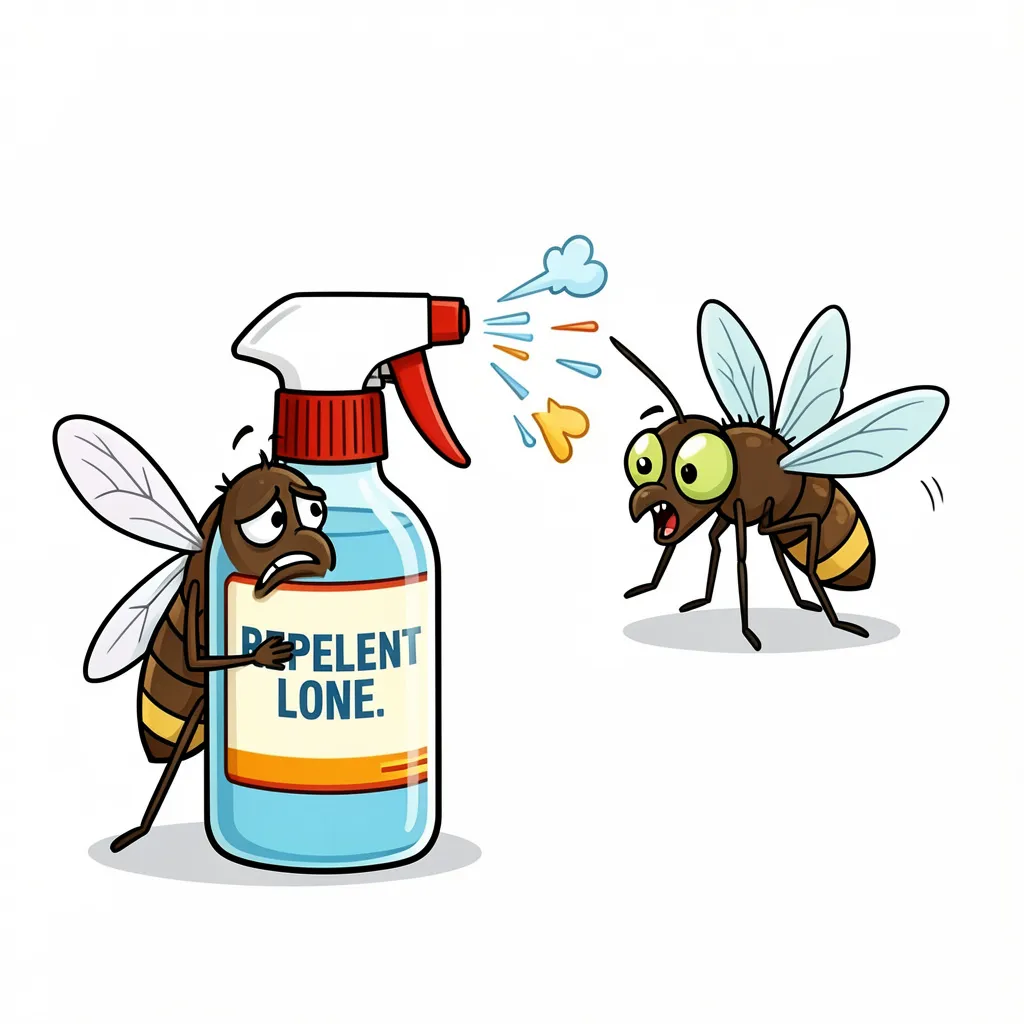
One-line answer: “Repellent” is the correct and standard spelling; “repellant” is a less common variant and usually avoided.
Many writers get confused between repellant and repellent because both look correct and come from the same root word, repel. The confusion often appears in product descriptions, health articles, emails, and everyday writing, especially when talking about insect spray or something that drives things away.
People search for “repellant or repellent” to confirm the correct spelling and avoid mistakes in formal or professional content. Using the wrong form may not always be considered incorrect, but it can look unusual or outdated. This guide explains the difference, origin, usage rules, common mistakes, real-life examples, and when to use the correct spelling in simple and clear language.
Repellant or Repellent – Quick Answer
The correct and widely accepted spelling is repellent.
It means something that drives away insects, animals, water, or unwanted things.
Examples
- Use mosquito repellent before going outside.
- The fabric has a water-repellent coating.
The spelling repellant exists but is rare and not recommended for modern writing.
The Origin of Repellent
The word repellent comes from the Latin word repellere, which means “to drive back” or “push away.” The English verb repel comes from the same root.
The standard form repellent follows the common English pattern:
- repel → repellent
- excel → excellent
- compel → compelling
The spelling repellant appeared later as a variation because some people tried to form the word based on pronunciation. However, dictionaries and modern usage strongly prefer repellent.
British English vs American English Spelling
There is no difference between British and American English for this word.
| Spelling | American English | British English | Status |
| Repellent | Yes | Yes | Standard and correct |
| Repellant | Rare | Rare | Uncommon variant |
Both versions of English use repellent in formal writing, product labels, and professional content.
Which Spelling Should You Use?
Always choose repellent for clear and professional writing.
Use “repellent” when:
- Writing blogs, articles, or product content
- Describing insect sprays or creams
- Talking about water-resistant materials
- Writing academic or formal material
- Creating SEO or business content
Avoid repellant unless you are quoting old text or a specific brand that uses the spelling.
For global audiences, repellent is the safest and most widely understood choice.
Common Mistakes with Repellant or Repellent
Mistake 1: Using repellant in formal writing
❌ Apply insect repellant before hiking.
✔ Apply insect repellent before hiking.
Mistake 2: Spelling based on sound
The word sounds like it could end in “-ant,” but the correct form is -ent.
Mistake 3: Mixing both spellings in one document
Always stay consistent with repellent.
Mistake 4: Assuming both forms are equally common
Only repellent is widely used in modern English.
Repellent in Everyday Examples
Health and Safety
- Always carry mosquito repellent in summer.
Product Labels
- This lotion works as an insect repellent.
Clothing and Materials
- The jacket has a water-repellent layer.
News or Articles
- Authorities advised people to use insect repellent in affected areas.
Home and Garden
- Natural oils can act as a bug repellent.
Google Trends & Usage Data
Search data shows that repellent is far more popular worldwide. It is commonly searched in:
- United States
- United Kingdom
- Canada
- Australia
- India
The word appears frequently in:
- Health and medical content
- Travel and outdoor guides
- Product searches (mosquito repellent, tick repellent)
- Clothing and waterproof material descriptions
Searches for repellant are much lower and usually come from spelling confusion.
People searching “repellant or repellent” are typically checking which version is correct for writing or product use.
Comparison Table: Repellant vs Repellent
| Feature | Repellant | Repellent |
| Correct spelling | Rare variant | Standard form |
| Professional use | Not recommended | Recommended |
| Global usage | Very low | Very high |
| British English | Rare | Standard |
| American English | Rare | Standard |
| SEO value | Low | High |
Related Forms
| Word | Meaning |
| Repel | To drive away |
| Repellent | Something that drives away |
| Repulsion | A strong feeling of dislike or pushing away |
Examples
- The smell repels insects.
- The cream works as a strong insect repellent.
FAQs
1. Is repellant a correct spelling?
It exists but is rare and not recommended. Use repellent instead.
2. Which spelling is more common?
Repellent is the standard and widely used form.
3. Do British and American English differ?
No. Both use repellent.
4. What does repellent mean?
It describes something that drives away insects, animals, water, or unwanted things.
5. Is repellant wrong?
It is not completely wrong, but it looks outdated and uncommon.
6. Which spelling should I use for SEO or business writing?
Always use repellent.
7. How can I remember the correct spelling?
Think of excellent both end with -ent.
Conclusion
The confusion between repellant and repellent comes from pronunciation and the root word repel. While both forms exist, repellent is the correct and standard spelling used in modern English. It appears on product labels, in health advice, and across professional and academic writing worldwide.
There is no difference between British and American English for this word, which makes repellent the safest choice for global communication. Using the standard spelling helps your writing look clear, accurate, and professional. Whether you are writing about insect protection, water-resistant materials, or general use, choosing repellent ensures your message is understood and trusted by readers.
Vice or Vise: Meaning and Usage Guide for 2026 ✅

Samuel A. Whitmore an English language writer and editor , specializes in spelling, grammar, and usage differences between British and American English. Focuses on helping readers avoid common writing mistakes through clear explanations, practical examples, and easy-to-follow comparisons. My work aims to make English spelling rules simple and accessible for students, professionals, and everyday writers.