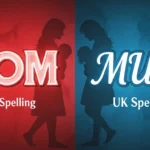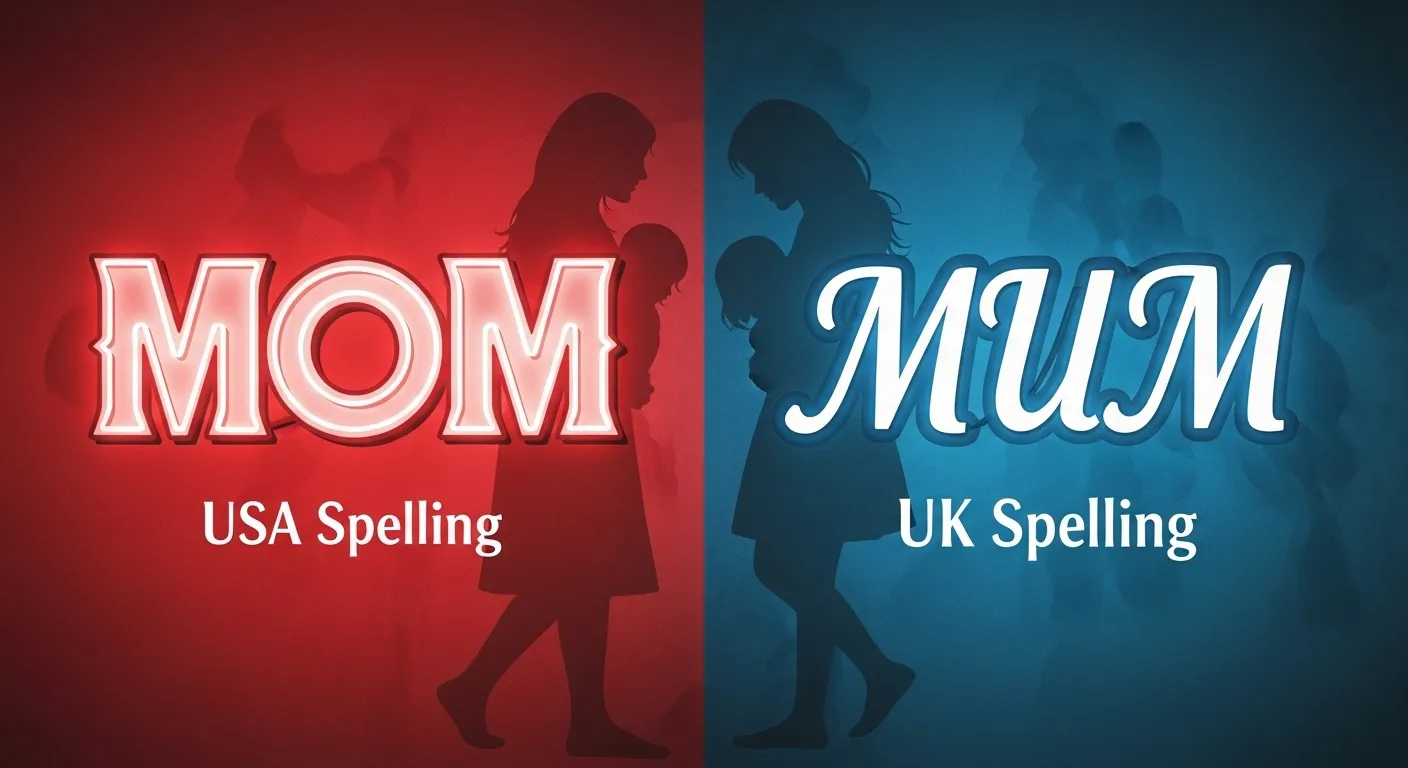
“Mom” and “mum” both mean mother “mom” is American English, while “mum” is British English.
Last night, a child sat at the dining table, writing a birthday card. He paused, pen in hand, and asked, “Should I write mom or mum?” His older sister smiled and said, “Depends… where are you from?” That simple question shows a common confusion many people face every day.
People search for “mom or mum” because both words sound the same but look different. They wonder which spelling is correct, especially when writing emails, school work, or social media posts. This confusion becomes even bigger in global communication, where people read and write English from different regions.
This article clears that confusion once and for all. You will learn the difference between “mom” and “mum,” where each one is used, and how to choose the right spelling based on your audience. Whether you’re a student, writer, or professional, this guide will help you use the correct word with confidence.
Mom or Mum – Quick Answer
“Mom” and “mum” both mean the same thing: mother.
- Mom → Used in American English
- Mum → Used in British English and Commonwealth countries
Examples:
- I love you, Mom. (USA)
- I love you, Mum. (UK)
There is no difference in meaning. The only difference is location and spelling style.
The Origin of Mom or Mum
The words “mom” and “mum” come from early baby sounds like “ma” or “mum.” These sounds are easy for babies to say, so they became common words for mothers in many languages.
Over time, English developed two main versions:
- American English
- British English
As these versions grew, spelling differences appeared. “Mom” became standard in the United States, while “mum” remained common in the United Kingdom and other countries.
Both forms have been used for centuries. The difference is not about right or wrong it is about regional language evolution.
British English vs American English Spelling
English is spoken worldwide, but spelling rules can change depending on the region. “Mom” and “mum” are a perfect example of this difference.
Key Differences:
| Feature | American English | British English |
| Spelling | Mom | Mum |
| Usage Region | USA | UK, Australia, India, Pakistan |
| Pronunciation | Similar | Similar |
| Formal/Informal Use | Informal | Informal |
More Examples of Similar Differences:
| American English | British English |
| Color | Colour |
| Favorite | Favourite |
| Mom | Mum |
So, the difference is part of a bigger pattern in English spelling.
Which Spelling Should You Use?
Choosing between “mom” and “mum” depends on your audience.
Use “Mom” if:
- You are writing for an American audience
- You live in or follow US English rules
- Your content is for US schools, blogs, or businesses
Use “Mum” if:
- You are writing for UK, Australia, or Commonwealth countries
- You follow British English rules
- Your audience is international but prefers British style
For Global Use:
If you are unsure, choose based on:
- Your target readers
- The style guide you follow
Consistency is key. Do not mix “mom” and “mum” in the same piece of writing.
Common Mistakes with Mom or Mum
Many people make simple mistakes when using these words.
1. Mixing Both Spellings
❌ My mom is the best mum in the world.
✔ My mom is the best mom in the world. (US)
✔ My mum is the best mum in the world. (UK)
2. Thinking One Is Wrong
❌ “Mum” is incorrect English.
✔ Both are correct—just used in different regions.
3. Using in Formal Writing Incorrectly
“Mom” and “mum” are informal.
✔ Formal: My mother is a teacher.
✔ Informal: My mom/mum is a teacher.
4. Wrong Audience Choice
Writing “mum” for an American website can feel unusual, and vice versa.
Mom or Mum in Everyday Examples
Let’s see how these words are used in daily life.
Emails:
- Dear Mom, thank you for your support. (US)
- Dear Mum, I hope you are well. (UK)
Social Media:
- Missing my mom today ❤️
- Love you, mum!
News:
- A mother saved her child. (formal)
- A mom saved her child. (US informal tone)
Formal Writing:
- Use mother instead of mom/mum in essays and reports.
Casual Conversations:
- “Hey mom, what’s for dinner?”
- “Mum, can I go out?”
Both are natural in their regions.
Mom or Mum – Google Trends & Usage Data
Search data shows clear regional preferences:
- United States → “Mom” is most popular
- United Kingdom → “Mum” is dominant
- Australia & New Zealand → “Mum”
- India & Pakistan → Mostly “Mum,” but “Mom” is also growing due to media influence
Interesting Insight:
American movies, TV shows, and social media have increased the global use of “mom.” However, traditional education systems in many countries still prefer “mum.”
So today, both spellings are widely understood worldwide.
Comparison Table: Mom vs Mum
| Feature | Mom | Mum |
| Meaning | Mother | Mother |
| Region | USA | UK & Commonwealth |
| Formality | Informal | Informal |
| Popularity | High in USA | High globally |
| Usage Style | Modern American | Traditional British |
FAQs
1. Is “mom” or “mum” correct?
Both are correct. The difference depends on region—American vs British English.
2. Which spelling is used in Pakistan?
“Mum” is more common, but “mom” is also used due to global media.
3. Can I use both in the same article?
No. Always stick to one style for consistency.
4. Is “mom” formal or informal?
It is informal. Use “mother” in formal writing.
5. Why do Americans say “mom”?
It is part of American English spelling and language development.
6. Do British people understand “mom”?
Yes, but they usually prefer “mum.”
7. Which spelling is better for SEO?
Use the spelling your target audience searches for (US → mom, UK → mum).
Conclusion
The difference between “mom” and “mum” is simple but important. Both words mean the same thing mother but their usage depends on where you are or who you are writing for. “Mom” belongs to American English, while “mum” is used in British English and many other countries.
In today’s global world, both spellings are widely understood. However, choosing the right one shows attention to detail and respect for your audience. If your readers are in the United States, “mom” is the better choice. If they are in the UK, Australia, or countries like Pakistan, “mum” feels more natural.
Always stay consistent in your writing. Do not mix spellings in the same content. And remember, in formal situations, it is best to use the word “mother.”
At the end of the day, whether you say mom or mum, the meaning stays warm, loving, and universal. The word may change, but the emotion behind it never does.

Samantha Harvey is an English language writer specializing in English spelling, grammar, and usage comparisons. She creates clear, search-friendly content that helps readers understand common word confusions with practical examples. Her work focuses on UK and US English differences for learners and online publishers.