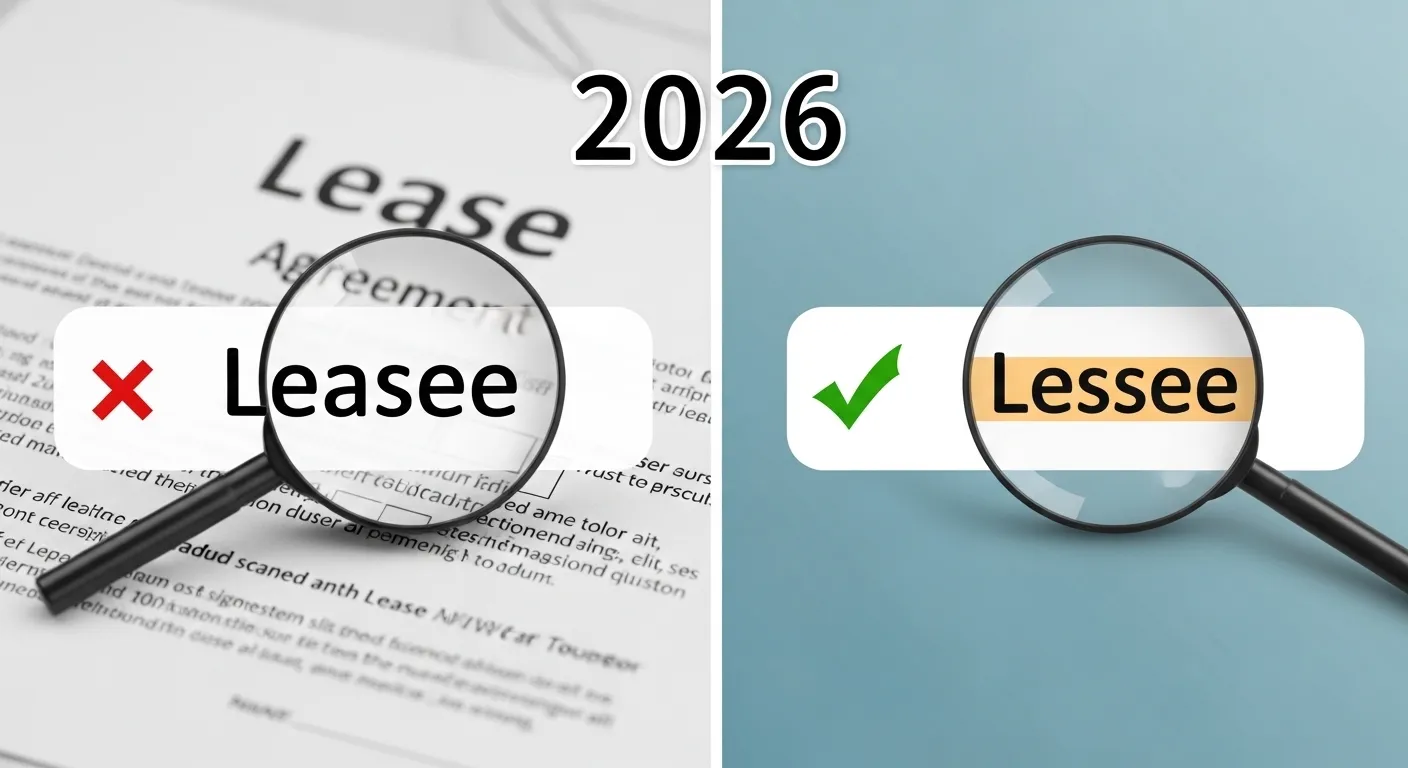
“Lessee” is the correct spelling for a person who rents property; “leasee” is incorrect.
Have you ever written a rental agreement, email, or property document and paused at leasee or lessee? This is a common confusion, especially in legal, real estate, and business writing.
The words look similar, and since both come from the word lease, many people assume leasee must be correct. However, using the wrong spelling in formal documents can affect clarity and professionalism.
People search for “leasee or lessee” to confirm the correct spelling and understand the difference between related terms like lessor and lessee. This guide explains the correct form, origin, usage, common mistakes, real-life examples, and when to use the word properly in simple and clear language.
Lessee or Leasee – Quick Answer
The correct spelling is lessee.
It means the person who rents or takes property on lease.
Examples
- The lessee must pay rent on time.
- The agreement protects both the landlord and the lessee.
The spelling leasee is incorrect and should not be used in formal or professional writing.
The Origin of Lessee
The word lessee comes from French legal language. Many legal English words come from French, especially terms related to property and contracts.
The structure follows a common legal pattern:
- Words ending in -ee refer to the person who receives something.
- Words ending in -or refer to the person who gives something.
Examples:
- Employer → Employee
- Lessor → Lessee
In a lease:
- Lessor = the owner who gives the property
- Lessee = the person who receives and uses the property
The confusion happens because people try to build the word directly from lease, which leads to the incorrect form leasee.
British English vs American English Spelling
There is no spelling difference between British and American English for this word.
| Term | American English | British English | Meaning |
| Lessee | Lessee | Lessee | Person renting property |
| Leasee | Incorrect | Incorrect | Not a valid spelling |
Both versions of English use lessee in legal, real estate, and business documents worldwide.
Which Spelling Should You Use?
Always use lessee in all contexts.
Use “lessee” when:
- Writing rental agreements
- Creating legal or business documents
- Writing emails about property or leasing
- Describing tenants in real estate content
- Writing formal or professional material
Avoid leasee completely. It is considered a spelling mistake and may reduce credibility, especially in legal or business writing.
Common Mistakes with Leasee or Lessee
Mistake 1: Adding an extra “a” from lease
❌ The leasee must sign the contract.
✔ The lessee must sign the contract.
Mistake 2: Confusing lessee and lessor
- Lessee = tenant (receiver)
- Lessor = owner (provider)
Mistake 3: Using informal alternatives in legal writing
Words like tenant are fine for general writing, but legal documents often require lessee.
Mistake 4: Assuming both spellings are acceptable
Only lessee is correct.
Leasee or Lessee in Everyday Examples
Real Estate Email
- The lessee will move in on June 1.
Rental Agreement
- The lessee agrees to maintain the property.
Business Lease
- The lessee must follow all safety rules.
News or Reports
- The building owner and lessee reached a new agreement.
Property Websites
- Each lessee must complete a background check.
Google Trends & Usage Data
Search data shows that lessee is widely used in:
- United States
- United Kingdom
- Canada
- Australia
- India
The term appears frequently in:
- Real estate searches
- Legal document templates
- Business leasing content
- Property management guides
Searches for “leasee” usually come from spelling confusion. Most users are trying to confirm the correct form.
Because legal and property terms require accuracy, lessee dominates search results and professional usage worldwide.
Comparison Table: Leasee vs Lessee
| Feature | Leasee | Lessee |
| Correct spelling | No | Yes |
| Meaning | None | Person renting property |
| Professional use | Not acceptable | Standard term |
| Legal documents | Incorrect | Required |
| Global usage | Rare | Common |
| SEO value | Low | High |
Related Terms: Lessor vs Lessee
Understanding related terms helps avoid confusion.
| Term | Meaning |
| Lessor | The owner who gives the property |
| Lessee | The person who rents the property |
| Lease | The contract between both parties |
Example
- The lessor owns the building.
- The lessee pays rent and uses the space.
FAQs
1. Is leasee a correct spelling?
No. The correct spelling is lessee.
2. What does lessee mean?
A lessee is a person or business that rents property under a lease agreement.
3. What is the difference between lessee and tenant?
Both mean the same thing, but lessee is more formal and used in legal documents.
4. Do British and American English spell it differently?
No. Both use lessee.
5. Is lessee used only for property?
No. It can also refer to equipment, vehicles, or any leased asset.
6. Why do people write leasee?
Because they form the word from lease, but the correct legal form is lessee.
7. Which word is better for professional writing?
Always use lessee for accuracy and credibility.
Conclusion
The confusion between leasee and lessee comes from the base word lease, but only lessee is correct. This word has a long history in legal English and follows the pattern where -ee refers to the person who receives something. In a lease agreement, the lessee is the person who rents and uses the property, while the lessor is the owner who provides it.
Using the correct spelling is important, especially in legal, business, and real estate writing. A small mistake like leasee can reduce professionalism and create confusion in formal documents. Since both British and American English use the same spelling, lessee is the standard worldwide. Understanding this difference helps you write clearly, accurately, and confidently in any rental or business context.
For You 👉Cutesie or Cutesy: Which Is Correct?

I am Oliver Kentwood, an English author fascinated by the quirks of language. I explore correct and incorrect spellings, helping readers navigate common confusions with clarity and style.