Many people type “frie or fry” into Google when they are unsure about the correct spelling of a common cooking word. You may have seen frie used in casual messages, comments, or even on menus, which makes the confusion worse. Is frie a real word? Or is fry the only correct option?
This confusion usually happens because English spelling does not always match pronunciation. When people hear the sound “fry”, they assume it might follow patterns like cried or tried and end with -ie. Autocorrect, fast typing, and social media habits also play a role in spreading incorrect spellings. As a result, learners of English, bloggers, students, and even professionals sometimes hesitate before using the word.
This article clears that confusion completely. You will get a quick answer, a detailed explanation, real-life examples, and professional advice on which spelling to use and when. By the end, you will know exactly why fry is correct, why frie is wrong, and how to avoid this mistake forever.
Frie or Fry – Quick Answer
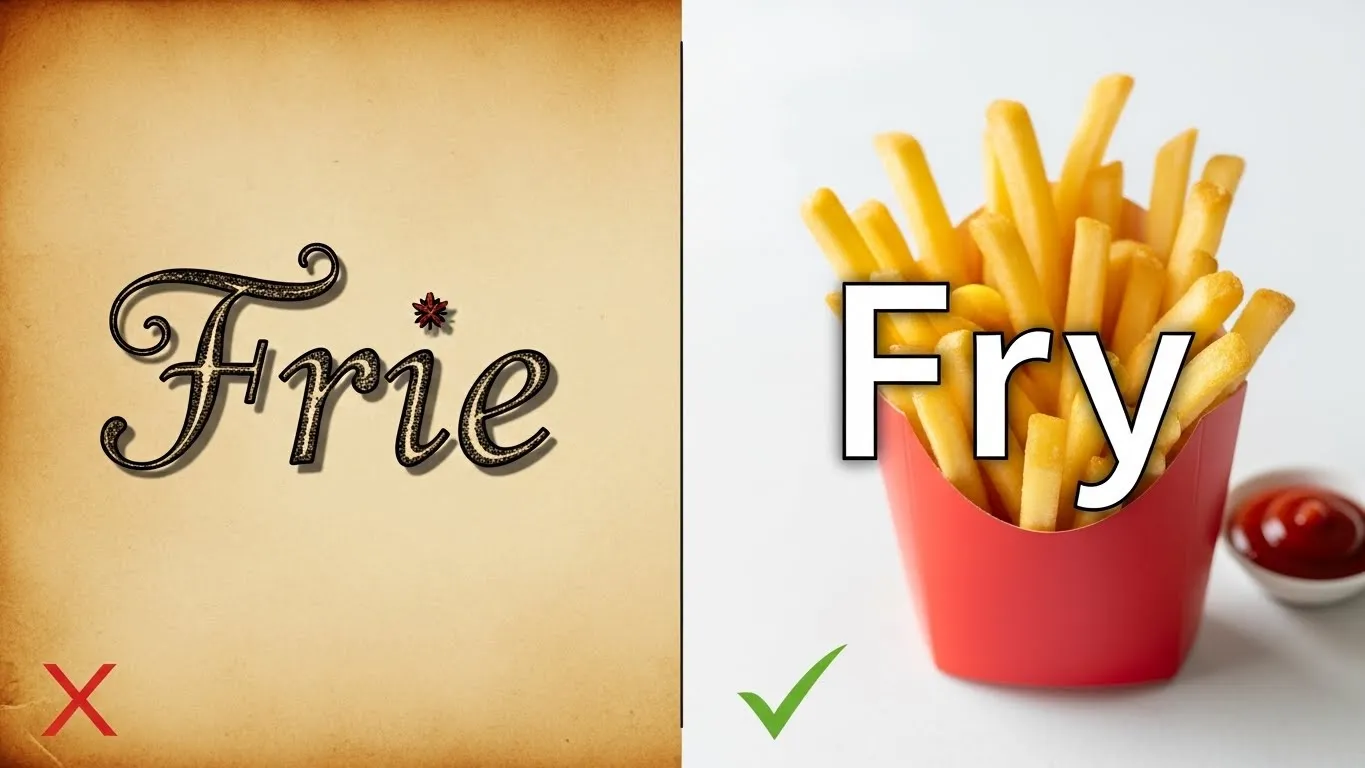
Correct spelling: Fry
Incorrect spelling: Frie
👉 Fry is the correct English word.
👉 Frie is not a standard English word.
Examples
- ✅ I will fry the eggs for breakfast.
- ❌ I will frie the eggs for breakfast.
- ✅ These potatoes are fried in oil.
- ❌ These potatoes are fried (never fried from frie).
The Origin of Frie or Fry
The word fry comes from the Old French word frire, which means to cook in hot fat or oil. This French word itself came from Latin frigere, meaning to roast or fry.
When English adopted the word, it simplified the spelling to fry. Over time, English created other forms from it:
- fry (base form)
- fries (plural noun)
- fried (past tense)
- frying (present participle)
The spelling frie never became part of standard English. It appears only as a misspelling, often influenced by pronunciation or typing habits. That is why dictionaries recognize fry but not frie.
British English vs American English Spelling
Unlike many English words, fry has no spelling difference between British and American English.
Key Point
- 🇺🇸 American English: fry
- 🇬🇧 British English: fry
The difference appears only in related food terms, not in the verb itself.
Comparison Table
| Usage Context | American English | British English |
| Verb (to cook) | fry | fry |
| Past tense | fried | fried |
| Cooking process | frying | frying |
| Food item | French fries | chips |
| Incorrect form | frie ❌ | frie ❌ |
✔ Both varieties agree: fry is correct, frie is wrong.
Which Spelling Should You Use?
Your choice is simple because there is only one correct spelling.
Use fry if:
- You are writing for US audiences
- You are writing for UK or Commonwealth audiences
- You are writing globally
- You are writing formally or informally
Never use frie:
- Not in emails
- Not in academic writing
- Not on menus
- Not on social media (unless quoting an error)
👉 Professional advice: Always use fry to stay correct, clear, and credible.
Common Mistakes with Frie or Fry
Here are frequent errors people make and how to fix them:
- ❌ I will frie the chicken.
✅ I will fry the chicken. - ❌ The fish is frie in oil.
✅ The fish is fried in oil. - ❌ She likes frie rice.
✅ She likes fried rice. - ❌ Frie potatoes taste good.
✅ Fried potatoes taste good.
Tip to Remember
If you can say fried or frying, the base word must be fry, not frie.
Frie or Fry in Everyday Examples
Emails
- ✅ Please fry the snacks before the meeting.
- ❌ Please frie the snacks before the meeting.
News
- ✅ Restaurants fry food at high temperatures.
- ❌ Restaurants frie food at high temperatures.
Social Media
- ✅ I love fried chicken! 🍗
- ❌ I love frie chicken!
Formal Writing
- ✅ The study analyzed how people fry food at home.
- ❌ The study analyzed how people frie food at home.
Frie or Fry – Google Trends & Usage Data
Search data shows that “frie or fry” is commonly searched in:
- Non-native English-speaking countries
- Cooking-related searches
- Spelling and grammar queries
Popularity by Region
- High usage of “fry”: USA, UK, Canada, Australia
- High confusion searches: South Asia, Southeast Asia, ESL regions
Context of Searches
- Cooking instructions
- Recipe writing
- English learning
- Menu design
👉 Google Trends clearly shows “fry” dominates real usage, while frie appears only in correction-based searches.
Comparison Table: Frie vs Fry
| Feature | Frie | Fry |
| Correct spelling | ❌ No | ✅ Yes |
| Dictionary word | ❌ No | ✅ Yes |
| Verb form | ❌ Invalid | ✅ Valid |
| Past tense | ❌ None | ✅ Fried |
| Used in US English | ❌ No | ✅ Yes |
| Used in UK English | ❌ No | ✅ Yes |
| Professional writing | ❌ Never | ✅ Always |
FAQs: Frie or Fry
1. Is frie ever correct?
No. Frie is not a correct English word.
2. Why do people spell fry as frie?
Because of pronunciation confusion and fast typing.
3. Is fried related to frie?
No. Fried comes from fry, not frie.
4. Can frie be used informally?
No. Even informally, it is still incorrect.
5. Do British people spell it differently?
No. British English also uses fry.
6. Is frie used in any dictionary?
No standard English dictionary lists frie.
7. What is the safest spelling to use?
Always use fry.
Conclusion
The confusion between frie or fry is common, but the solution is simple. Fry is the only correct spelling in English, while frie is always a mistake. This rule stays the same across American English, British English, and global usage. Whether you are writing a recipe, sending an email, posting on social media, or preparing professional content, using fry keeps your writing clear and correct.
Understanding the origin of the word helps explain why frie looks tempting but remains wrong. English often borrows words and simplifies their spelling, and fry is a perfect example of that process. By remembering related forms like fried and frying, you can easily avoid this error.
In short, if accuracy matters—and it always does—choose fry every time. This small spelling choice improves clarity, professionalism, and reader trust.
👉 Referral or Referal: Which Spelling Is Correct?

James L. Morrison is a content writer focused on English grammar, word meanings, and usage differences. He enjoys breaking down complex language rules into simple explanations. His work is designed to help readers quickly understand the correct word choice in everyday writing and professional communication.