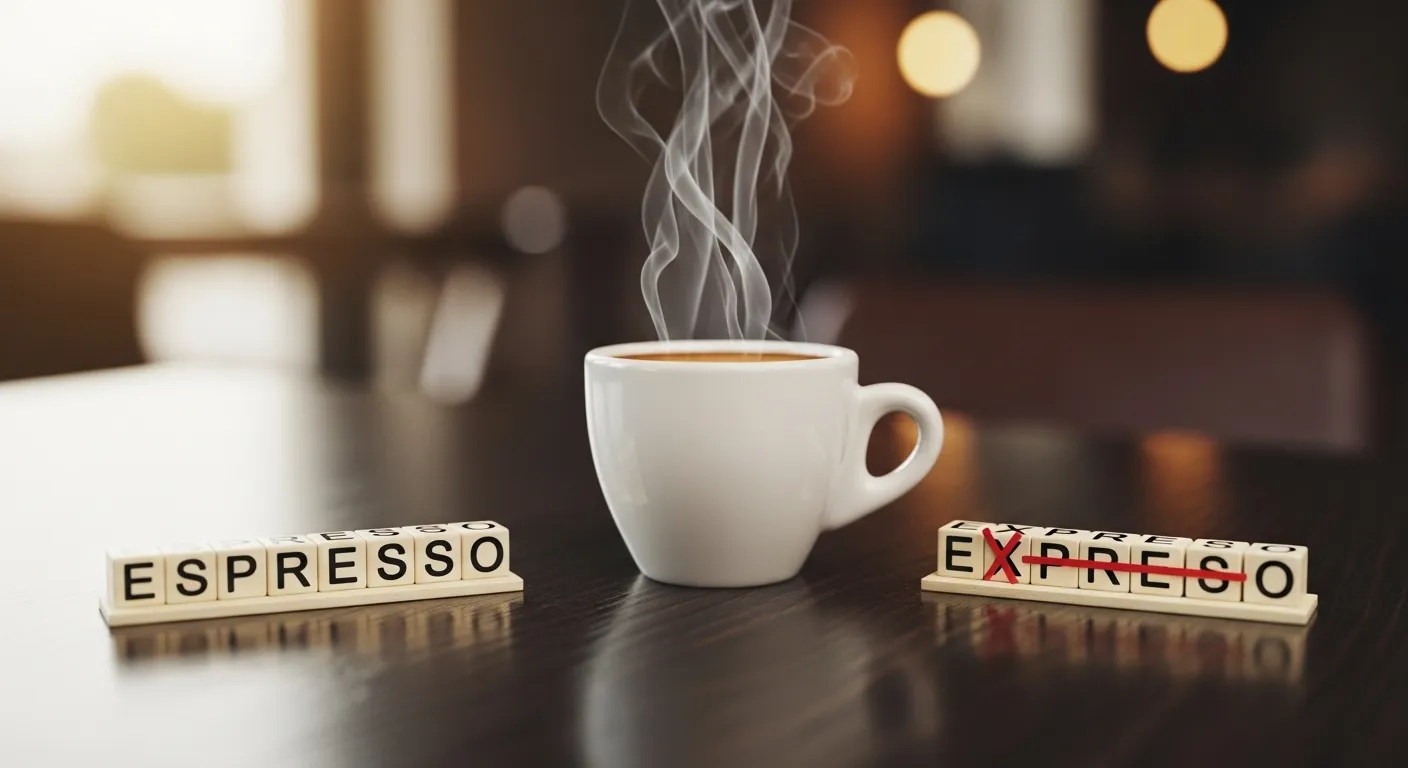
✅ Espresso is the correct spelling; expresso is incorrect in standard English.
Many people search for “espresso or expresso” because the words sound very similar when spoken. This confusion is common in cafés, menus, emails, and social media posts. You might even see expresso written informally, which makes people think both spellings are acceptable.
The truth is simple: only one spelling is correct in modern English. Using the wrong one can make your writing look careless, especially in professional, academic, or food-related content. Understanding the correct spelling also helps non-native speakers and learners use the word with confidence.
In this article, you’ll get a clear quick answer, learn the origin of the word, see British vs American usage, avoid common mistakes, and explore everyday examples. By the end, you’ll know exactly why espresso is correct and why expresso should be avoided.
Espresso or Expresso – Quick Answer
✅ Espresso = correct spelling.
❌ Expresso = incorrect spelling.
Meaning: Espresso is a strong, concentrated coffee made by forcing hot water through finely ground coffee beans.
Examples:
- I ordered a double espresso.
- She drinks espresso every morning.
The Origin of Espresso
The word espresso comes from Italian. It is derived from esprimere, meaning to press out or to express. This refers to the method of making the coffee—by pressing hot water through coffee grounds.
Because of the English word “express”, many people mistakenly add an X and write expresso. However, this spelling does not exist in Italian or standard English dictionaries.
British English vs American English Spelling
There is no spelling difference between British and American English for this word.
| Spelling | British English | American English |
| Espresso | ✅ Correct | ✅ Correct |
| Expresso | ❌ Incorrect | ❌ Incorrect |
Always use espresso in all regions.
Which Spelling Should You Use?
- Use espresso in all writing:
- Menus
- Blogs
- Emails
- Exams
- Social media
- Avoid expresso, even in informal writing.
Professional tip: Cafés, restaurants, and brands always use espresso.
Common Mistakes with Espresso or Expresso
❌ I need an expresso to wake up.
✅ I need an espresso to wake up.
❌ This café serves great expressos.
✅ This café serves great espressos.
Memory tip:
There is no “X” in espresso.
Espresso in Everyday Examples
Emails:
- Let’s meet for an espresso tomorrow morning.
News:
- Coffee prices affected espresso lovers worldwide.
Social Media:
- One espresso = instant energy ☕
Formal Writing:
- Espresso is a key base for many coffee drinks.
Comparison Table: Espresso vs Expresso
| Spelling | Correct | Meaning |
| Espresso | ✅ Yes | Strong Italian coffee |
| Expresso | ❌ No | Incorrect spelling |
FAQs: Espresso or Expresso
1. Is expresso ever correct?
No, it is always incorrect in standard English.
2. Why do people say expresso?
Because of pronunciation and confusion with the word “express.”
3. Is espresso Italian or English?
It is an Italian word used in English.
4. Is the plural “espressos” correct?
Yes, espressos is correct.
5. Do dictionaries accept expresso?
No, standard dictionaries list it as incorrect.
6. Is espresso used the same in UK and US English?
Yes, with the same spelling and meaning.
Conclusion
The confusion between espresso or expresso is very common, but the rule is simple. Espresso is the only correct spelling in modern English. The word comes from Italian and has nothing to do with the English word “express.”
Using expresso is a spelling mistake and should be avoided in all types of writing. Whether you’re ordering coffee, writing a blog, or designing a menu, sticking with espresso ensures accuracy and professionalism. Remember: no X, no confusion.
Callus or Callous: Which Spelling Is Correct and When to Use It?

James L. Morrison is a content writer focused on English grammar, word meanings, and usage differences. He enjoys breaking down complex language rules into simple explanations. His work is designed to help readers quickly understand the correct word choice in everyday writing and professional communication.