Introduction
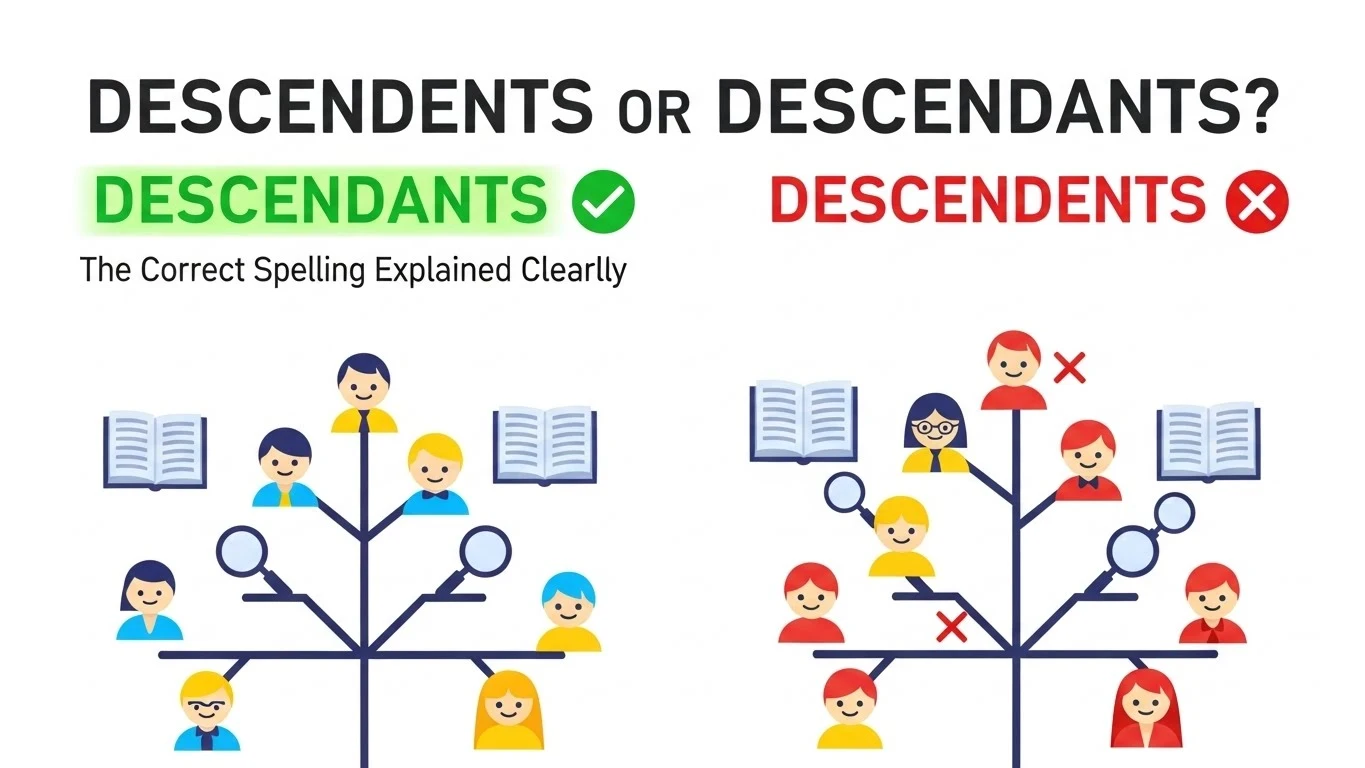
Have you ever written “descendents” and then stopped to wonder if it should be “descendants” instead? You’re not alone. This is a very common spelling confusion, especially in family history, legal documents, academic writing, and everyday English. The words look almost identical, sound the same, and even seem to follow normal spelling rules yet only one is correct.
People search for descendents or descendants because English spelling does not always behave logically. Since the verb descend exists, it feels natural to think that descendents should also be correct. However, English doesn’t always build nouns directly from modern verbs, and this is one of those cases where history matters more than logic.
Using the wrong spelling can make formal writing look unprofessional or incorrect, especially in genealogy records, essays, or official documents. This article clears the confusion completely. You’ll get a quick answer, learn where the word comes from, understand British and American usage, and see clear examples. By the end, you’ll know exactly which spelling to use every time.
Descendents or Descendants – Quick Answer
✅ Descendants is the correct spelling.
❌ Descendents is incorrect in modern standard English.
Examples:
- She is a descendant of a famous writer.
- His descendants still live in the area.
The Origin of Descendents or Descendants
The word descendant comes from the Latin descendere, meaning “to go down” or “to come from.” Over time, English adopted descendant as a noun meaning “a person who comes from an ancestor.”
Although the verb descend exists, the noun descendant did not form directly from it in modern English. That’s why descendents, while it looks logical, never became a standard spelling. English often preserves older forms instead of creating newer, more predictable ones.
British English vs American English Spelling
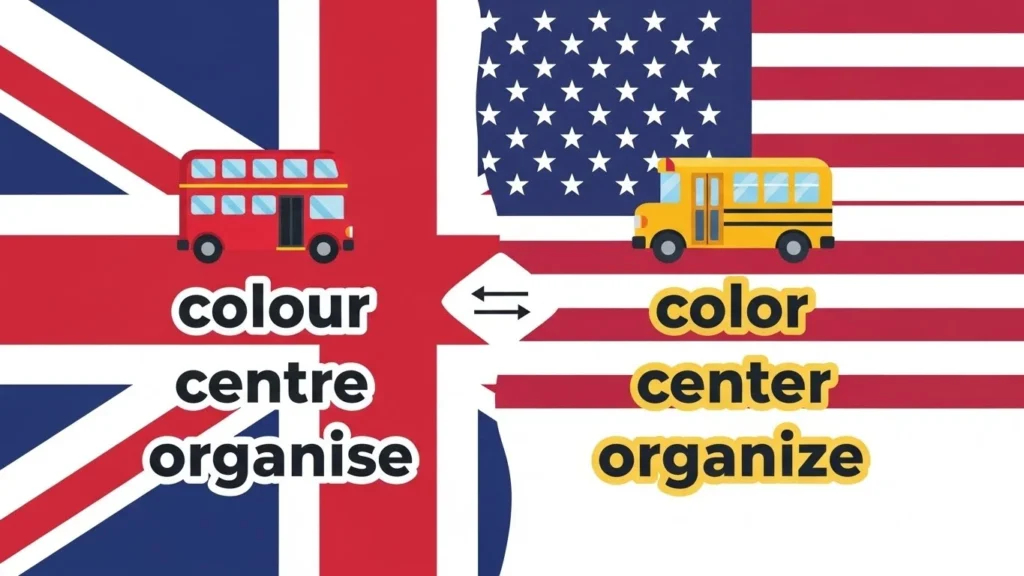
There is no difference between British and American English here. Both use the same spelling.
| Word | British English | American English |
| Descendants | ✅ Correct | ✅ Correct |
| Descendents | ❌ Incorrect | ❌ Incorrect |
Which Spelling Should You Use?
Always use descendants, regardless of audience.
- US writing: Descendants
- UK/Commonwealth writing: Descendants
- Academic, legal, or global writing: Descendants
There are no accepted alternatives. Empower or Enpower? Which One Is Correct in English?
Common Mistakes with Descendents or Descendants
- ❌ He studied his descendents
✅ He studied his descendants - ❌ Direct descendents of the family
✅ Direct descendants of the family - ❌ Assuming it follows the verb descend
✅ Use the established noun form
Descendents or Descendants in Everyday Examples
- Email: “All descendants are invited to the reunion.”
- News: “The king’s descendants continue the tradition.”
- Social media: “Proud to be a descendant of farmers.”
- Formal writing: “The law applies to all legal descendants.”
Descendents or Descendants Google Trends & Usage Data
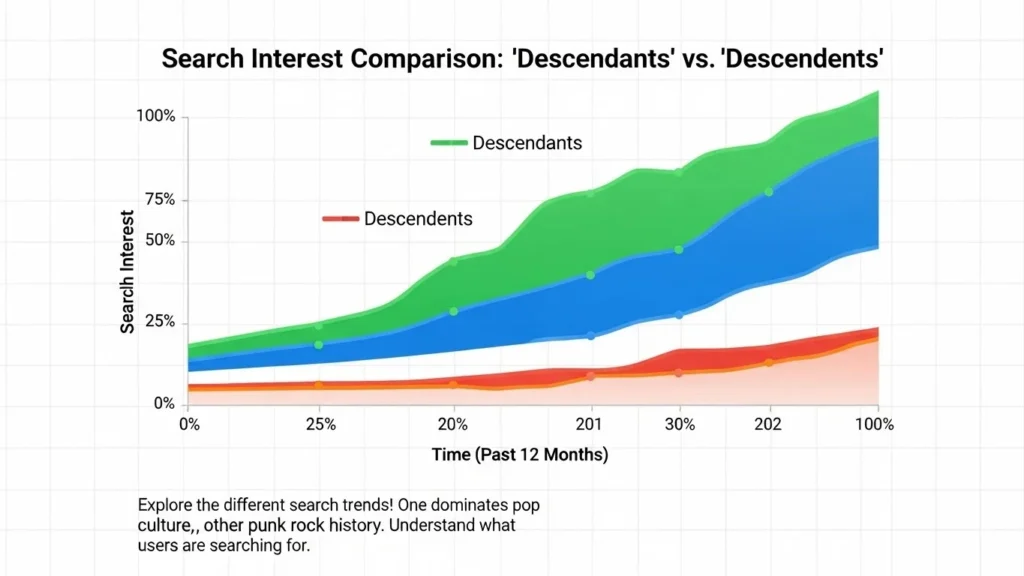
Search data shows that “descendents or descendants” is most commonly searched by students, historians, genealogists, and legal writers. Nearly all published books, academic sources, and media outlets consistently use descendants. Searches for descendents usually reflect spelling checks rather than accepted usage.
Comparison Table: Descendents vs Descendants
| Feature | Descendants | Descendents |
| Correct spelling | ✅ Yes | ❌ No |
| Dictionary listed | ✅ Yes | ❌ No |
| Modern usage | Standard | Incorrect |
| British/American | Same | Same |
FAQs
1. Are descendents ever correct?
No, it is not accepted in modern English.
2. Why do descendents look right?
Because it resembles the verb descend.
3. Do dictionaries include descendents?
Most list it as a common misspelling.
4. Is this a British vs American issue?
No, both use descendants.
5. Can descendents be used informally?
No, it is still considered incorrect.
6. Is descendant singular or plural?
Singular: descendant, plural: descendants.
Conclusion
The confusion between descendents or descendants is easy to understand, but the correct choice is simple. Descendants is the only accepted spelling in modern English. Although descendents may seem logical because of the verb descend, English does not always follow perfect spelling patterns. Historical usage fixed descendants as the standard form long ago.
Using the correct spelling is important, especially in formal writing such as legal documents, academic papers, genealogy records, and professional communication. Writing descendents can weaken credibility and distract readers, even if the meaning is understood.If you remember one rule, remember this: people who come from ancestors are descendants always spelled with -ants, never -ents. Once you lock this into memory, you won’t need to second-guess it again. Correct spelling brings clarity, confidence, and professionalism to your writing.

James L. Morrison is a content writer focused on English grammar, word meanings, and usage differences. He enjoys breaking down complex language rules into simple explanations. His work is designed to help readers quickly understand the correct word choice in everyday writing and professional communication.